 Vietnamnet.vn

 Podcast



The Ministry of Construction is currently gathering public feedback on a draft resolution to pilot the establishment of real estate and land-use rights transaction centers, operated by the State. The trial is scheduled to run during 2026-2027.
According to the draft, these centers will operate as public administrative units under provincial-level People's Committees and follow the “one-stop interagency” model. Each center will be integrated into a nationwide, unified database system.
Citizens and businesses will only need to visit these centers to complete all procedures related to real estate transactions and land-use rights.
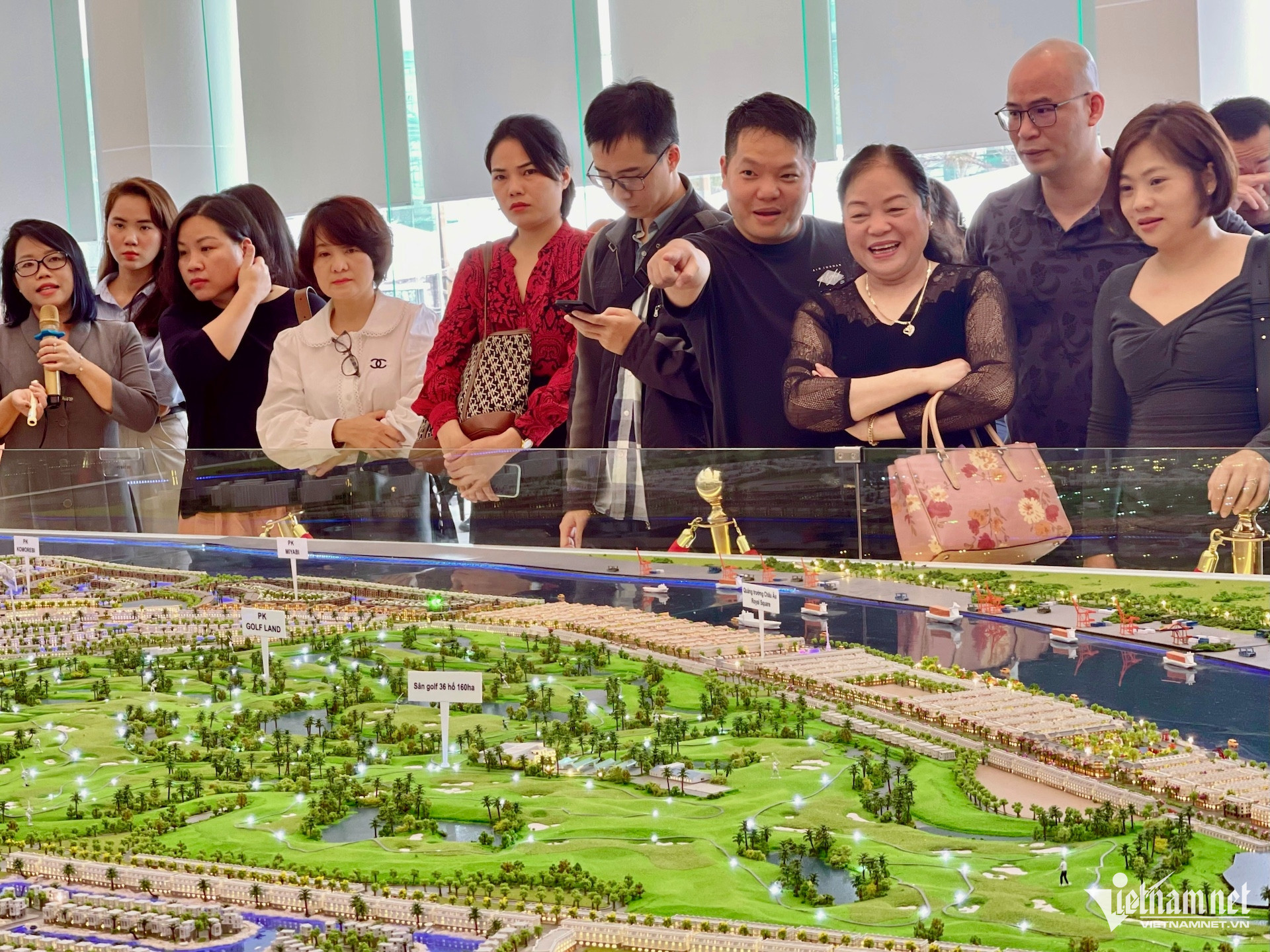
These centers will serve as the central point for receiving, guiding, and coordinating the resolution of real estate and land-use procedures for individuals and organizations. They will also collect taxes and issue land-use rights certificates.
In addition, the centers will verify and assess the legal status of real estate supply sources and land-use rights. They will handle all relevant taxes and fees and facilitate the creation of sales and transfer contracts through electronic systems.
The centers will also issue land-use rights certificates and certificates for assets attached to the land (commonly referred to as “red books”), and will compile and store transaction contracts in an online archive.
They will also integrate related data systems, including housing, the real estate market, land, taxes, and mortgaged or discharged assets from banks, thereby enabling both government agencies and citizens to easily access information when conducting transactions.
Instead of having to deal with multiple agencies, citizens and businesses will be able to complete all processes at a single location - from information inquiry, contract formation, and buying, selling, leasing, or lease-to-own procedures, all the way to the final issuance of land-use certificates. This aims to enhance administrative efficiency and promote transparency in the real estate market.
As per the draft, the pilot model will be implemented nationwide over a two-year period, from 2026 to 2027.
The types of real estate transactions handled at these centers will include: completed housing, housing under development, land-use rights for plots with technical infrastructure within real estate projects, and land-use rights that are digitized and uniquely identified by property.
Transaction forms will range from sales and transfers to lease-to-own agreements.
These centers will function on the basis of interconnected databases across multiple sectors, including construction, natural resources and environment, taxation, civil registry, banking, and other related agencies.
Deputy Minister of Construction Nguyen Van Sinh stated that the pilot program aims to modernize the real estate transaction process, reduce administrative procedures, and minimize costs and time for both citizens and businesses. It will also foster digital transformation and improve transparency across the market.
Hong Khanh
.svg)
