 Vietnamnet.vn

 Podcast



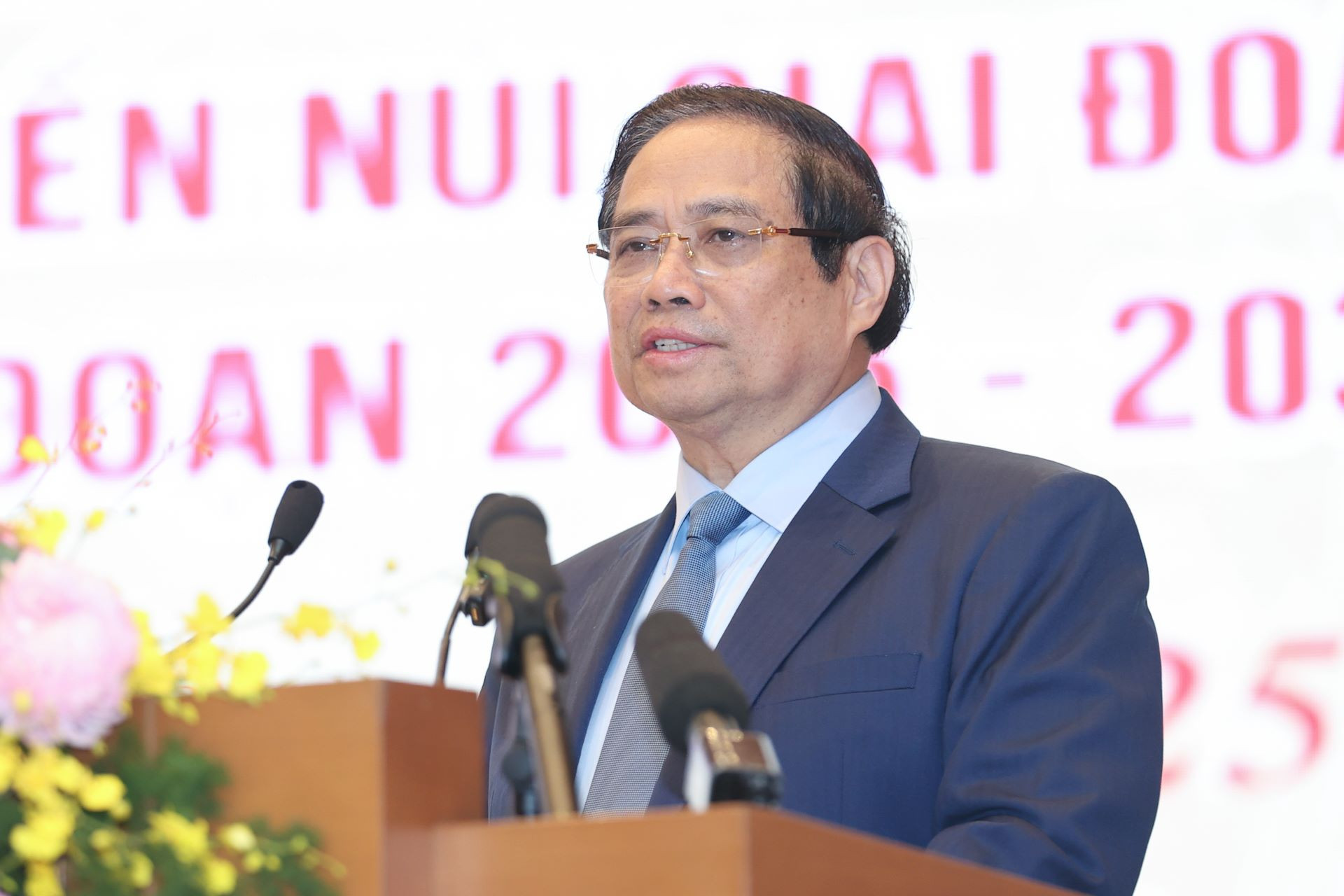
On August 13, Prime Minister Pham Minh Chinh chaired a national conference to review the National Target Program (Program 1719) on socio-economic development in ethnic minority and mountainous areas for 2021–2025 and to outline plans for the 2026–2030 phase.
In his closing remarks, the Prime Minister highlighted the achievements and positive impacts of Program 1719, while acknowledging shortcomings in its implementation. He emphasized that approaches have been fragmented and lacked focus.
"The next phase will continue as an independent national target program, with an expected budget of around 150–170 trillion VND (approximately USD 6–6.8 billion). Local governments and agencies must shift their thinking, embracing clear, strong, and transparent decentralization and delegation of power," said Prime Minister Pham Minh Chinh.
He also tasked the Ministry of Ethnic and Religious Affairs and relevant ministries with adjusting policies flexibly to match the strengths and potential of each region, while fostering self-reliance among ethnic minorities. The government will expand preferential credit for households and organizations to develop production and business in these areas.
Further, ministries are instructed to enhance decentralization in planning, resource allocation, and project management to meet goals effectively. Supervision must be increased to identify and resolve issues during implementation.
Development efforts must be focused and impactful. Effective socio-economic models for ethnic minority communities should be replicated, and branding for local products supported. The application of science and technology should be promoted, along with collective economic models and partnerships with businesses to support production and consumption.
"Socio-economic development in ethnic and mountainous areas requires a people-centric, comprehensive approach involving the entire political system. Investing in these areas is investing in sustainable national development," he said.
"In implementing this program, we must foster a spirit of patriotic self-reliance so that ethnic minorities can lift themselves out of poverty and prosper through their own hands and minds on their homeland."
Focus on decentralization, long-term planning, and results
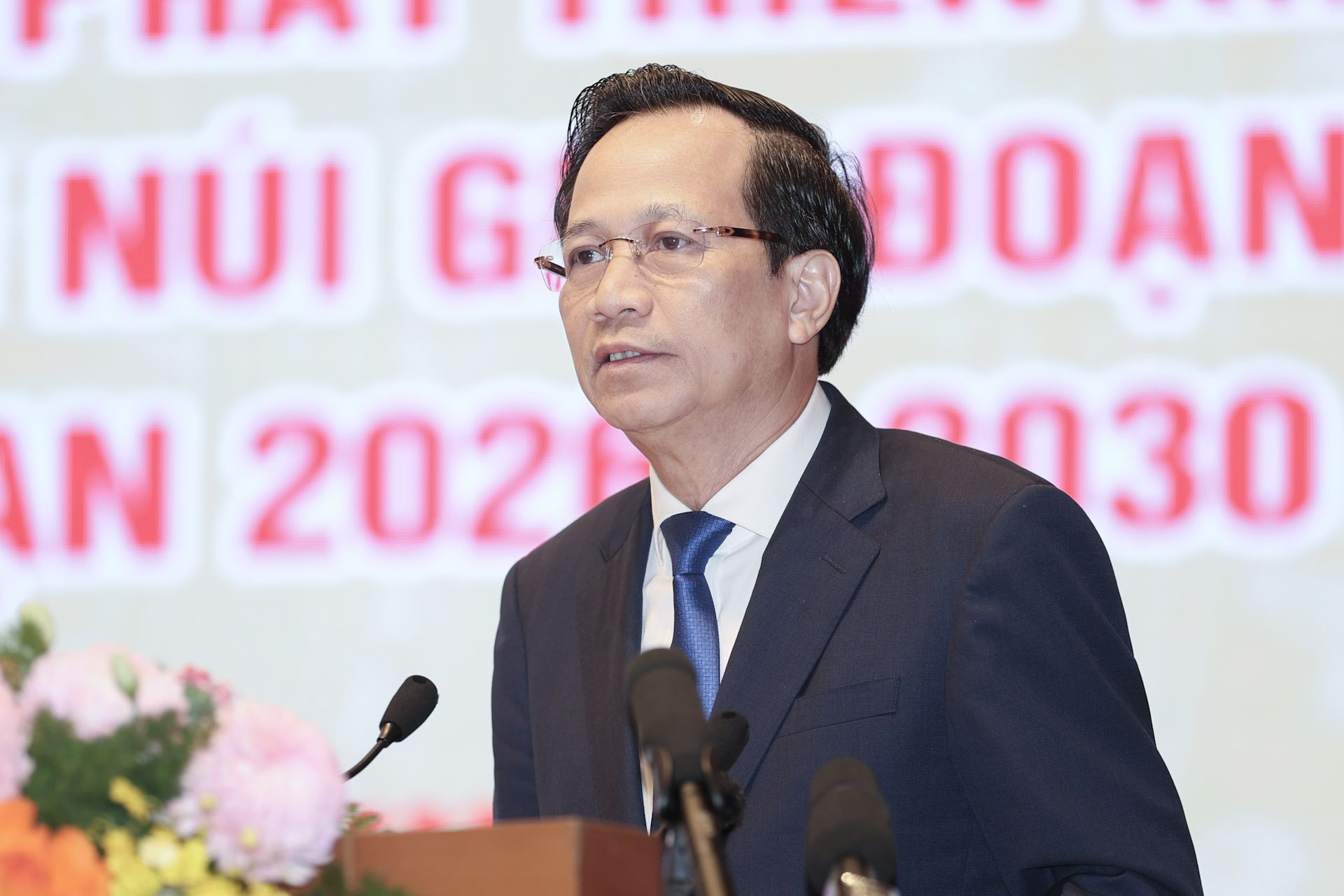
At the event, Minister of Ethnic and Religious Affairs Dao Ngoc Dung reported that Program 1719 has addressed key livelihood issues, laying the foundation for long-term sustainable development in these regions. The program has fulfilled or exceeded 6 out of 9 target groups set by Resolution 120/2020/QH14.
Key progress includes poverty reduction, higher average incomes, and improved access to public services. These successes were widely acknowledged and shared as best practices during the conference.
At the Nghe An conference site, Lo Thanh Nhat, Party Secretary of Nga My commune, said the program helped reduce poverty by over 10% per year in the area. Infrastructure improvements also enabled better economic conditions.
In Lao Cai, Chairman of the Provincial People’s Committee Trinh Xuan Truong reported that while the original housing support goal was 992 homes from 2021–2025, the province has already supported 1,871 households - more than double the plan.
Program policies, including housing support, helped reduce the poverty rate by 6.35% per year and more than doubled the average income of ethnic minority communities compared to 2020.
The UN Development Programme (UNDP) praised Vietnam and the Ministry of Ethnic and Religious Affairs for Program 1719. According to UNDP, it is the first national target program dedicated to ethnic minority areas and has shown clear impact.
"This demonstrates Vietnam’s commitment to sustainable development and equity, leaving no one behind. The poverty rate decreased by 3.2%, and average income tripled since 2020," noted a UNDP representative.
Tackling five key challenges in phase two
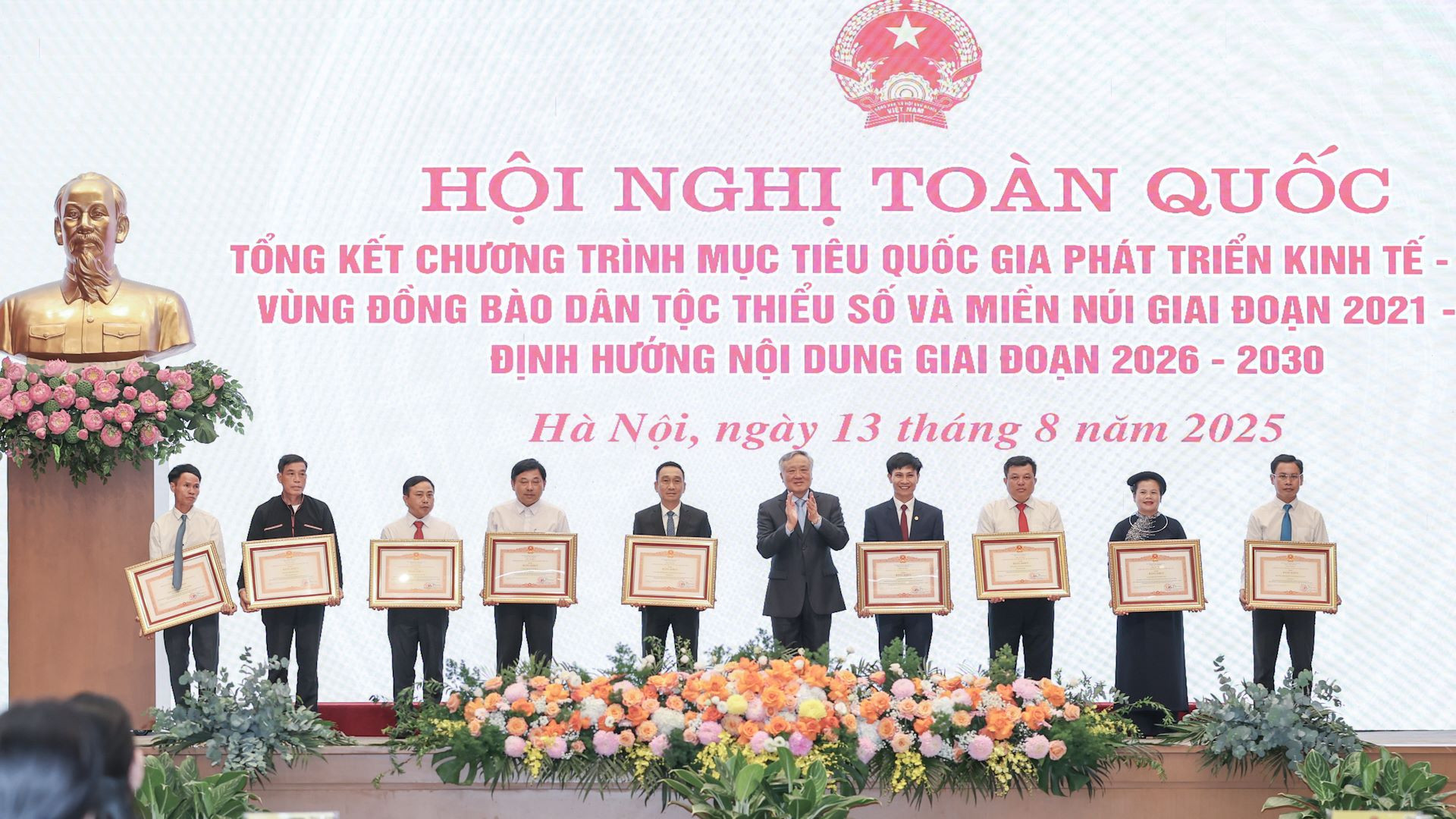
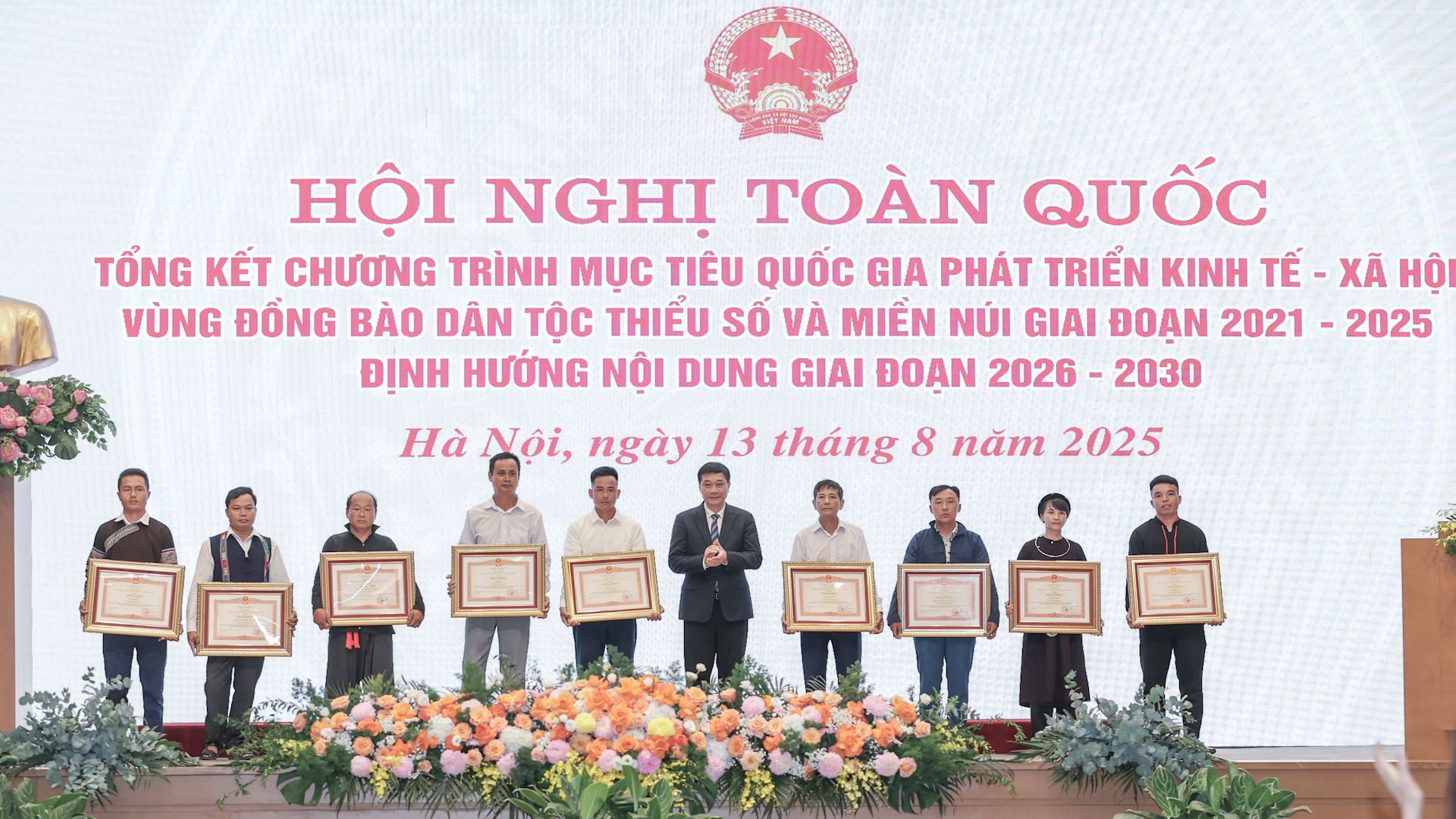
Photos: Le Anh Dung
While celebrating achievements, officials also pointed out existing challenges in implementing Program 1719 and made recommendations for the next phase.
Minister Dao Ngoc Dung cited obstacles in local-level organization, especially in planning and project management. Decentralization remains incomplete, making implementation difficult.
The program's complexity, with 10 projects and 14 sub-projects under various ministries, has led to fragmented execution and scattered resources.
For 2026–2030, the Minister proposed streamlining management, clearly assigning responsibilities, and empowering localities to plan, allocate, and execute with full accountability.
He stressed the Prime Minister’s “six clear” principle: clear people, clear tasks, clear timelines, clear responsibilities, clear outcomes, and clear authority.
The next phase will focus on the five most pressing issues in ethnic and mountainous areas: underdeveloped infrastructure, low-quality human resources, lagging socio-economic development, limited service access, and high poverty rates.
Program 1719 reflects deep national commitment
At the event, Chairman of the Vietnam Fatherland Front Do Van Chien emphasized that Program 1719 is more than a national target - it is a powerful reflection of the Party and State’s concern for ethnic and mountainous communities.
He acknowledged the wide support for the program’s formulation and execution but also noted the understandable initial difficulties given its pioneering nature.
"Today’s conference is crucial for evaluating achievements and identifying obstacles, as guided by the Prime Minister," he said.
Future implementation should avoid fragmentation and strengthen decentralization. As a major policy representing the Party and State’s ethnic strategy, the program must receive special priority and attention.
Program 1719 was approved by the 14th National Assembly under Resolution 120/2020/QH14 on June 19, 2020. Phase one (2021–2025) was authorized by the Prime Minister in Decision 1719/QD-TTg on October 14, 2021.
After nearly five years, the program has supported land for 10,549 households, housing for 42,567 households, and production land for 13,387 households. It also helped resettle 25,056 households, including 5,711 in centralized areas and 13,096 in-place resettlements.
Over 6,000 rural transport projects were completed, along with 8,673 kilometers of paved roads and 442 electricity projects. The program also supported preservation and investment in 48 ethnic villages and 69 traditional tourism sites, as well as 4,409 village cultural and sports facilities.
Sy Hao
.svg)
