 Vietnamnet.vn

 Podcast



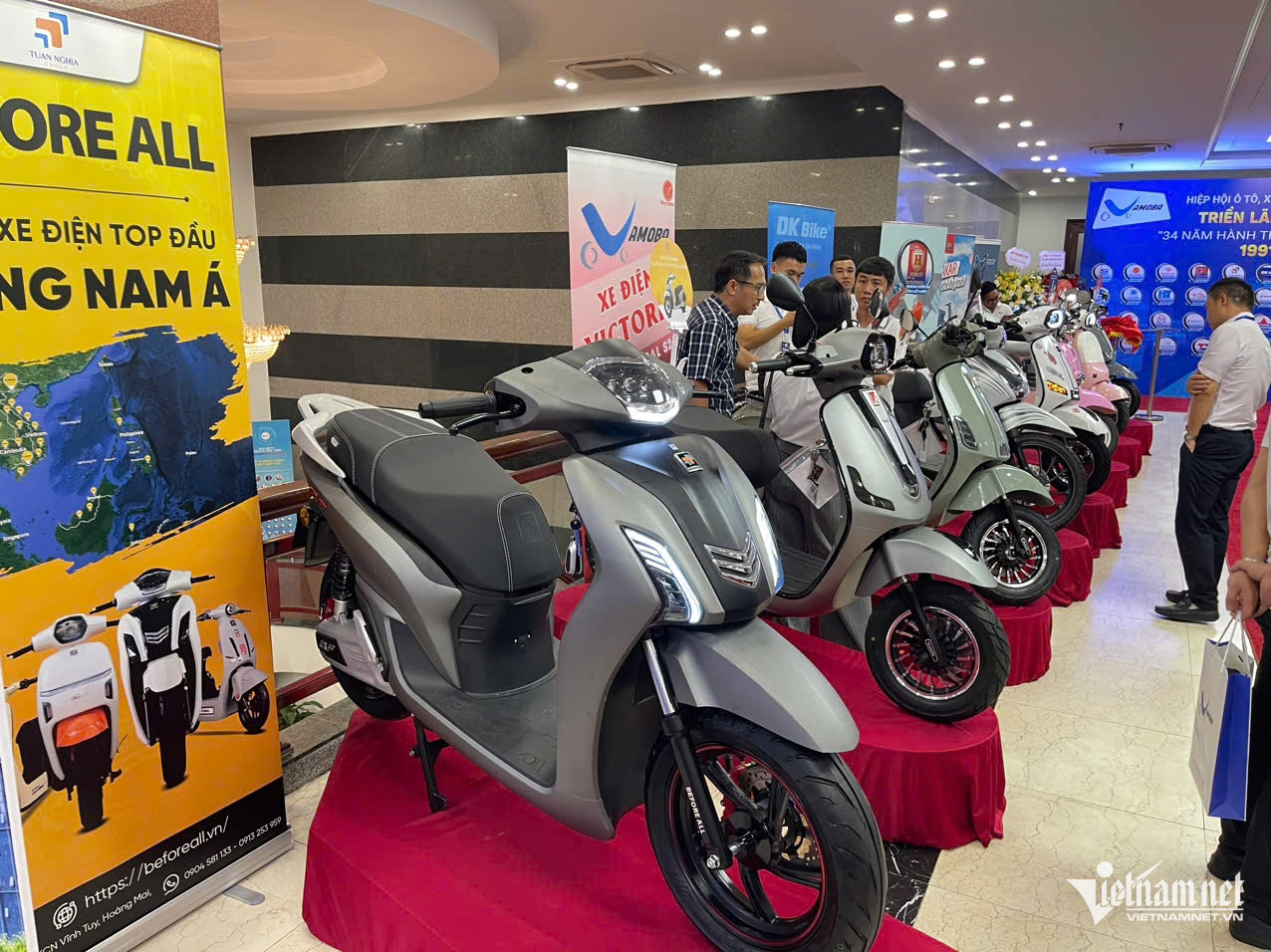
According to chairman Pham Cuong, VAMOBA aims to become a leading regional industry association and a strategic link between businesses, government agencies, and society. Its development strategy focuses on five pillars: comprehensive digital transformation using AI, Big Data, IoT, and e-commerce; promoting sustainable growth through electric and hybrid vehicle development; boosting international competitiveness by supporting member enterprises and expanding “Made in Vietnam” branding.
Chairman Cuong emphasized the industry’s alignment with global green transition trends. In 2025, VAMOBA members, in collaboration with partners, will operate over 500 charging stations in major cities, with a goal of exceeding 2,000 by 2027 to support the sustainable growth of EVs.
By 2027, all VAMOBA members are expected to have at least one electric vehicle product. The target for 2030 is for EVs to represent 40% of total vehicle output and to cut CO₂ emissions by 50% compared to 2020 levels. By 2035, all vehicles produced are to be fully eco-friendly.
Nguyen Dong Phong, Director of the Emission Testing Center under the Vietnam Register, stressed the association’s critical role in Vietnam’s green transition and emission reduction efforts, aiming for net-zero emissions by 2050.
Phong called on VAMOBA to proactively engage in helping manufacturers and importers meet environmental standards and emission regulations. He also urged greater collaboration with government agencies in developing standards and inspection protocols for motorcycles, electric vehicles, hybrids, and clean-energy vehicles.
Hoang Hiep
.svg)
