 Vietnamnet.vn

 Podcast



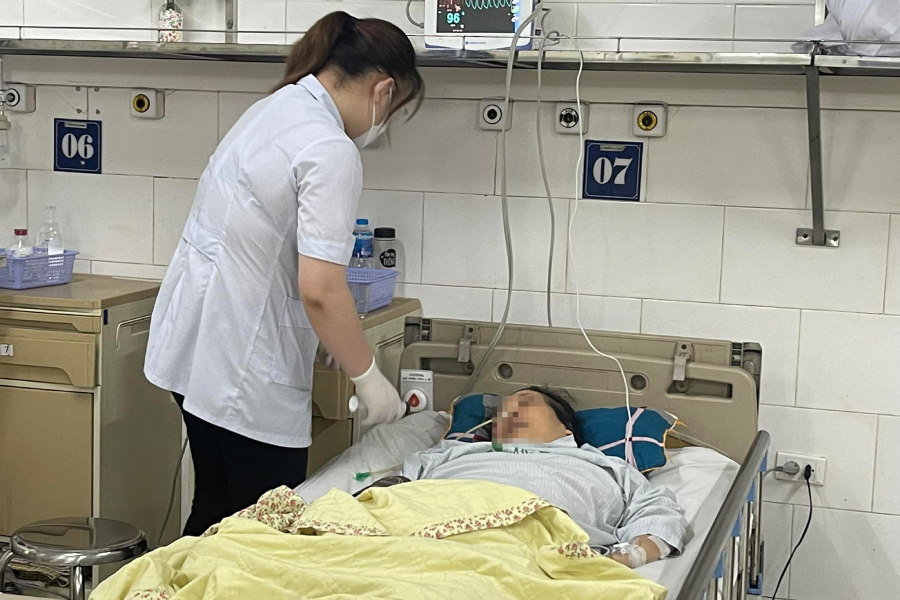
Ha Oanh, an interpreter in Japan, accompanied a stage-4 lung cancer patient from Vietnam to Tokyo for five months of treatment. The patient, M.P.K. from Da Nang, was diagnosed in January 2022, and refused chemotherapy in Vietnam due to concerns about side effects. Through a brokerage firm, M.P.K. was referred to a Tokyo clinic advertising autologous cell therapy, promising pain-free cancer treatment for nearly VND1 billion. The reality was starkly different.
The clinic was located in a luxury hotel in central Tokyo. However, the doctors were not transparent, repeatedly requesting tests like CT scans and MRIs, while prescribing only painkillers, failing to manage the patient’s cancer-related pain effectively.
The patient had to pay hundreds of millions of VND for blood draws, cell culture procedures, and stem cell injections, with a single session costing around VND650 million, far beyond the initial estimate.
Oanh also had to pay for expense items that were rarely disclosed in advance, while invoices lacked clarity, and prices for foreign patients were many times higher than for Japanese citizens. The broker even manipulated the patient, making false promises such as “a guaranteed cure within six months.”
M.P.K.’s health didn’t improve after three months of receiving treatment there, with cancer markers worsening and costs reaching several billion VND. He was advised to return to Vietnam or seek treatment in the US. M.P.K. returned to Vietnam in disappointment after spending over VND3 billion. He passed away nine months after diagnosis.
Dr Pham Nguyen Quy, Head of Medical Oncology at Kyoto Miniren Central Hospital, said many Vietnamese patients seeking cancer treatment in Japan lack sufficient understanding of the local healthcare system. In Japan, some private clinics offer unorthodox treatments like autologous immunotherapy, cancer vaccines, dendritic cell therapy, or iNK cell therapy at patients’ request.
These methods lack clear scientific evidence of effectiveness, are not covered by insurance, and patients bear all costs.
“Patients must be cautious to avoid treatment at private clinics lacking the rigorous oversight of major hospitals. Only reputable medical institutions ensure the best care quality,” Quy said.
Statistics show a sharp rise in Vietnamese patients traveling to Japan on medical visas over the past five years, reaching 549 annually. However, Quy emphasized that not all of them can access mainstream hospitals.
Many top Japanese hospitals refuse international patients due to language, cultural, and social barriers, or because they see little benefit for patients. This leaves many vulnerable to private clinics through brokers.
Domestic treatment - international quality
Associate Prof Dr Pham Cam Phuong, Director of the Nuclear Medicine and Oncology Center at Bach Mai Hospital in Hanoi, said many patients at his hospital were once treated abroad, including Japan, Singapore, or elsewhere.
Initially, these patients wanted to go abroad for treatment as they worried that Vietnam lacked targeted therapies or immunotherapy. Later, when returning to Vietnam, they were surprised to find that Vietnamese hospitals offer the same modern drugs at significantly lower costs, often with support programs for cancer patients.
Phuong said that Vietnamese medical professionals are no less capable than their peers in Thailand or Singapore. Patients seeking treatment abroad should consider the high expenses, language barriers, and differences in diet.
Furthermore, many patients experience poor mental health abroad due to being alone without family support, which is a crucial issue during cancer treatment.
Dr Trinh The Cuong from E Hospital stated that many people who return to Vietnam after trying treatment abroad have realized that domestic care is just as effective, while costing significantly less.
A package of targeted lung cancer medication (30 pills) costs around VND42 million in Vietnam but up to $7,182 (around VND175 million) in Singapore. Imaging services such as MRI or PET/CT scans abroad can cost double those in Vietnam. A PET/CT scan in Vietnam costs about VND20-24 million, whereas the same procedure abroad may reach VND50-55 million. Notably, patients with local health insurance in Vietnam only have to pay about VND3-4 million for such services.
Having lived and worked in Japan for years, Dr Quy advised that patients must fully understand their medical condition. If seeking treatment abroad, such as in Japan, they should prioritize large, reputable hospitals and avoid vague-sounding brokers.
Patients need to verify actual treatment costs and insurance policies beforehand. Unproven treatments often require 100 percent out-of-pocket payment. Without careful planning, patients risk both ineffective treatment and financial traps.
Phuong Thuy
.svg)
