 Vietnamnet.vn

 Podcast



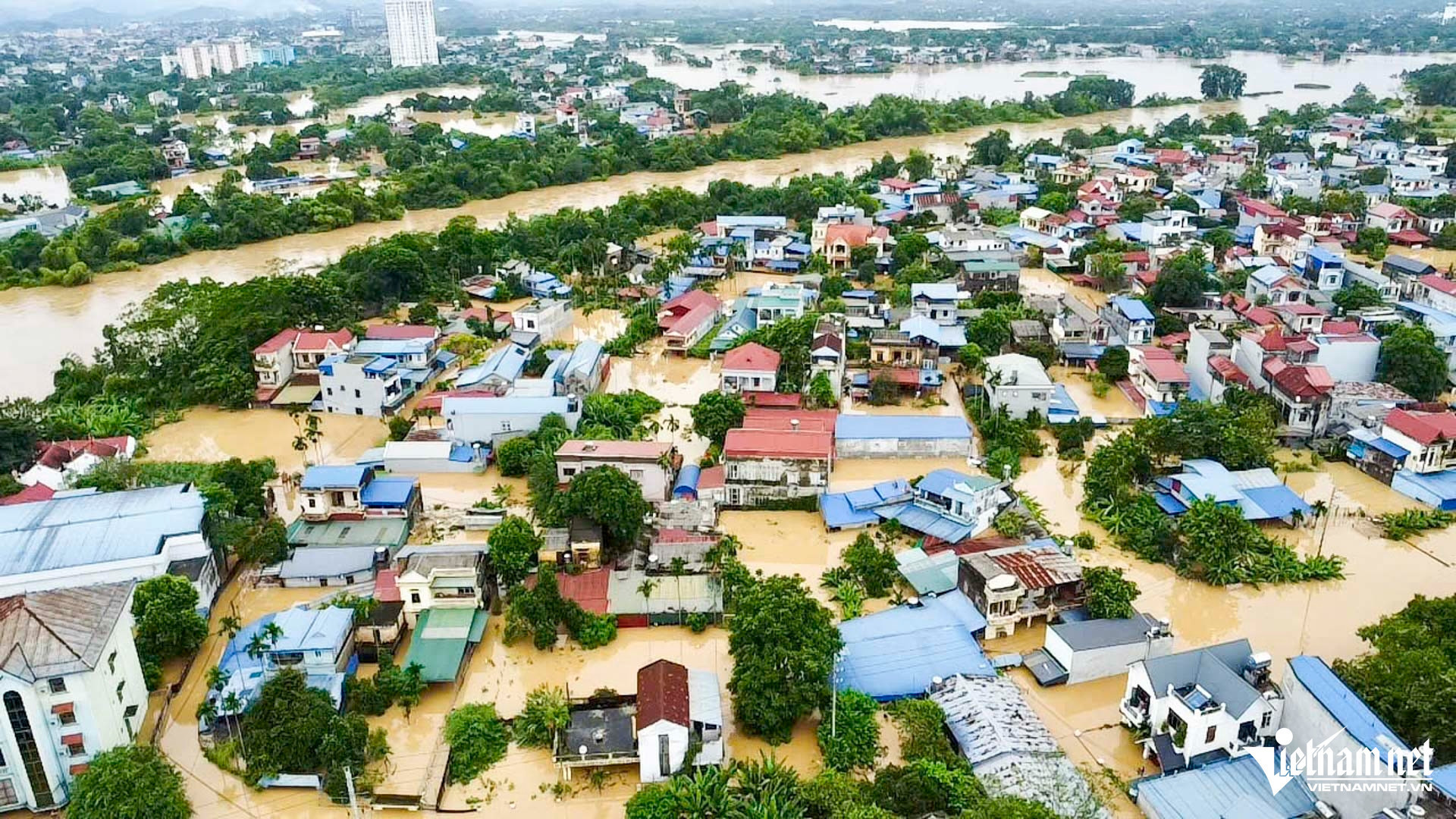
As erratic and extreme weather becomes the new normal, Vietnam’s reservoir systems are facing unprecedented pressure, revealing major vulnerabilities in coordination and outdated operational frameworks.
Speaking at the forum “Digital transformation and technology application in dam safety and reservoir operation,” held by the Ministry of Agriculture and Environment to implement Resolution 57-NQ/TW, experts warned that the nation’s water infrastructure is under serious strain from increasingly frequent floods and storms.
Phan Tien An, head of the Department of Dam and Reservoir Safety (under the Ministry’s Department of Water Resources Construction and Management), stated that Vietnam currently has over 7,300 irrigation dams and reservoirs that play a crucial role in irrigation, domestic water supply, and economic development.
However, intensified rainfall, storm clustering, and increasingly constrained floodways are making dam operation significantly more difficult.
One major blind spot is the lack of a coordinated inter-reservoir operation mechanism based on river basins. Hydropower and irrigation reservoirs share very limited data, and many operational protocols are outdated and unable to be revised due to a lack of real-time tools and data.
Reservoirs, especially smaller ones, still rely largely on manual alert systems, while drainage capacity downstream has exceeded safe limits. Meanwhile, IT infrastructure is weak, and maintenance investment only meets about 11.8% of actual needs - most of which goes into structural repairs, leaving technology severely underfunded.
Nguyen Van Manh, head of the Science and Technology Department at the Institute of Water Resources Planning, noted that although Vietnam has around 6,800 reservoirs, just 300 of them account for 80% of the country’s total regulated water capacity. Only 200 of these are equipped with active discharge gates, significantly increasing operational pressure amid extreme floods in 2024–2025.
Forecasting still largely depends on rainfall data and expert experience, often resulting in significant errors during major flood events. Many predictive models are outdated and fail to keep up with the pace of climate change.
Digital transformation critical in reservoir management
To overcome these limitations, An emphasized the urgent need for a comprehensive digital transformation across all aspects of reservoir management.
The first step is to reform institutional systems - amending legal regulations and issuing a unified set of standards for data management, monitoring, and operational software. Sector-wide data must be standardized and managed under a shared-use principle. While local authorities may use their own software, they must be integrated via standardized APIs to ensure interoperability and synchronization.
Investment should also focus on modern monitoring technologies, the establishment of automated alert systems, and capacity-building for data analysis personnel.
“When we achieve standardized data, comprehensive monitoring, and widespread decision-support technology, reservoir operations will become safer, more responsive, and better aligned with the increasingly harsh demands of climate change,” An asserted.
Nguyen Van Manh also proposed that the water resources sector be fully integrated with the national meteorological and hydrological systems, ensuring all operating units use the same data inputs.
According to Prof. Dr. Nguyen Quoc Dung, Standing Vice Chairman of the Vietnam National Committee on Large Dams and Water Resources Development, Vietnam’s meteorological network can now track rainfall by river basin. However, he pointed out a major limitation: “We can measure the rain that falls from the sky - but understanding how it becomes runoff and reaches a reservoir is an entirely different problem. That part belongs to the expertise of the water resources sector.”
He explained that meteorology and water resources were once part of a single system. After they were split into separate agencies, coordination weakened.
“To manage water resources effectively by river basin, we must reunify these systems. From rainfall forecasting to runoff modeling, everything must function in a single, connected chain,” Dung emphasized.
Vu Diep
.svg)
