 Vietnamnet.vn

 Podcast



Speaking at the National Scientific Conference on the modernization and elevation of Vietnamese higher education on the morning of October 24, Nghia highlighted that Resolution No. 71-NQ/TW outlines key perspectives, goals, tasks, and breakthrough solutions for the development of education and training.
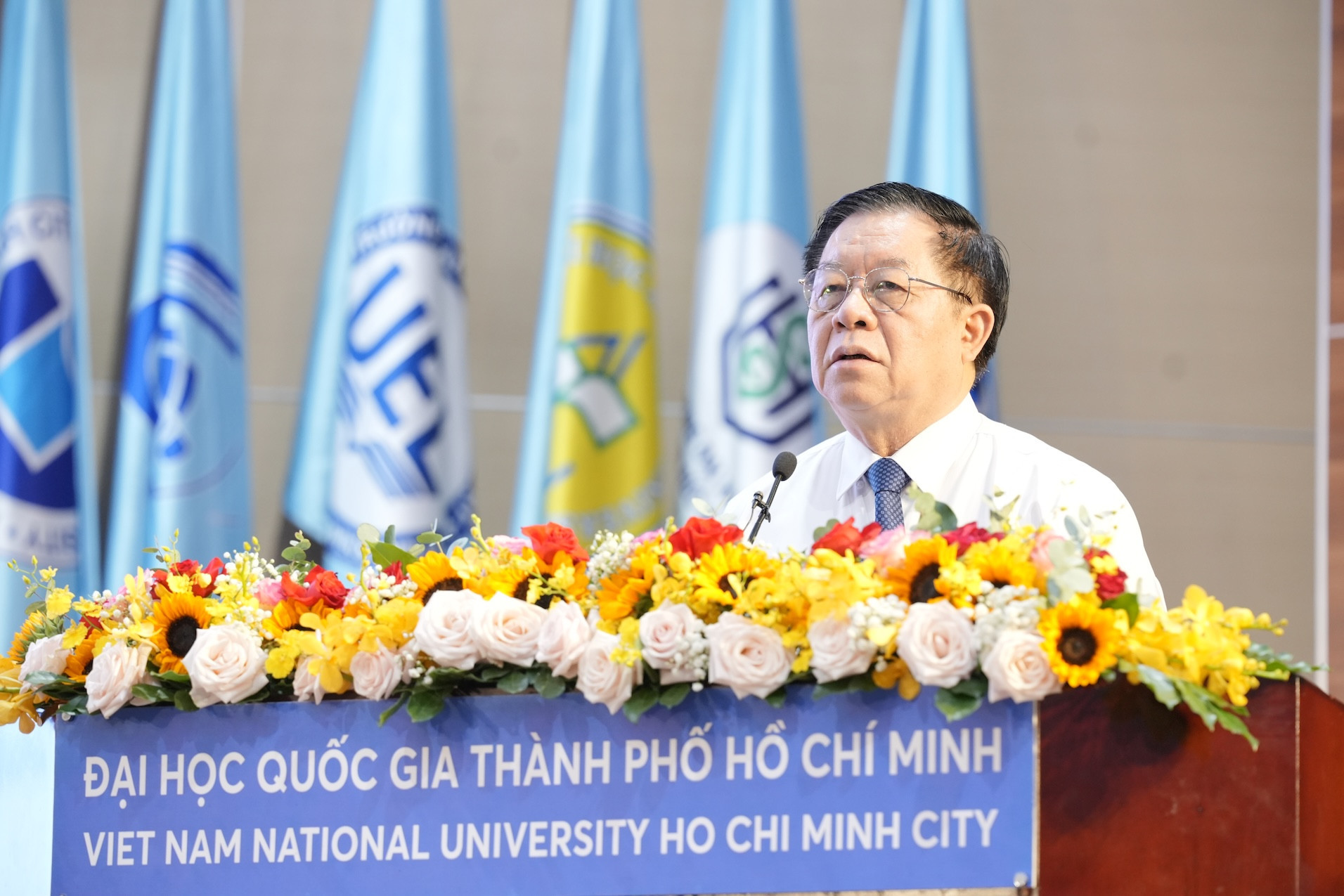
He stated that it is essential to effectively communicate and implement Resolution 71 in order to trigger a strong shift in both awareness and actions throughout the political system, especially within higher education institutions.
He called on party committees and agencies in the sector to thoroughly understand the resolution’s core viewpoints, objectives, and solutions so they can implement them in a “precise, targeted, innovative, and effective” manner.
Nguyen Trong Nghia underscored the importance of improving legal frameworks, institutional mechanisms, and development strategies for higher education, in which funding must reach at least 3% of the total state budget.
He also stressed the need to promote the model of research universities, innovation and next-generation technology institutions, and sustainable universities.
Additionally, he urged effective implementation of partnerships among the government, universities, and businesses; stronger decentralization of authority aligned with resource allocation; and guaranteed full autonomy for higher education institutions.
“University governance must be streamlined, unified, and efficient. The leadership role of the Party committee must be clearly defined, especially in public institutions where the party secretary is also the head of the university and where no governing board is established, except in cases involving international agreements,” he said.
Nghia called for bold reforms in training programs toward standardization, modernization, democratization, socialization, and international integration.
He emphasized the importance of holistic education that develops moral, intellectual, physical, and aesthetic qualities, while promoting national, cultural, and family values, and the identity of Vietnamese people in the new era.
He proposed a more practical evaluation of student competencies, tighter controls on entry and graduation standards, and acceleration of digital transformation and artificial intelligence application in education.
He also suggested building a national target program for modernizing and enhancing education quality for the 2026–2035 period, with a strong focus on higher education.
At the same time, he called for development of a qualified team of lecturers, researchers, experts, scientists, and administrators who possess professional capacity, integrity, and credibility to meet modernization needs.
To attract talent, he proposed that institutions use their autonomy to establish competitive incentives for both domestic and international professionals.
He also emphasized creating a democratic, united, and disciplined educational environment that fosters research and innovation, while nurturing the next generation of intellectuals and scientists.
Finally, Nghia affirmed the need to deepen international cooperation and integration in higher education, particularly in key fields and emerging technologies.
He advocated for the application of international standards that align with Vietnam’s conditions and encouraged partnerships in digital and cross-border education models.
He also proposed strengthening Vietnamese language instruction and promoting cultural values and national traditions to overseas Vietnamese communities and international friends.
Le Huyen
.svg)
