 Vietnamnet.vn

 Podcast



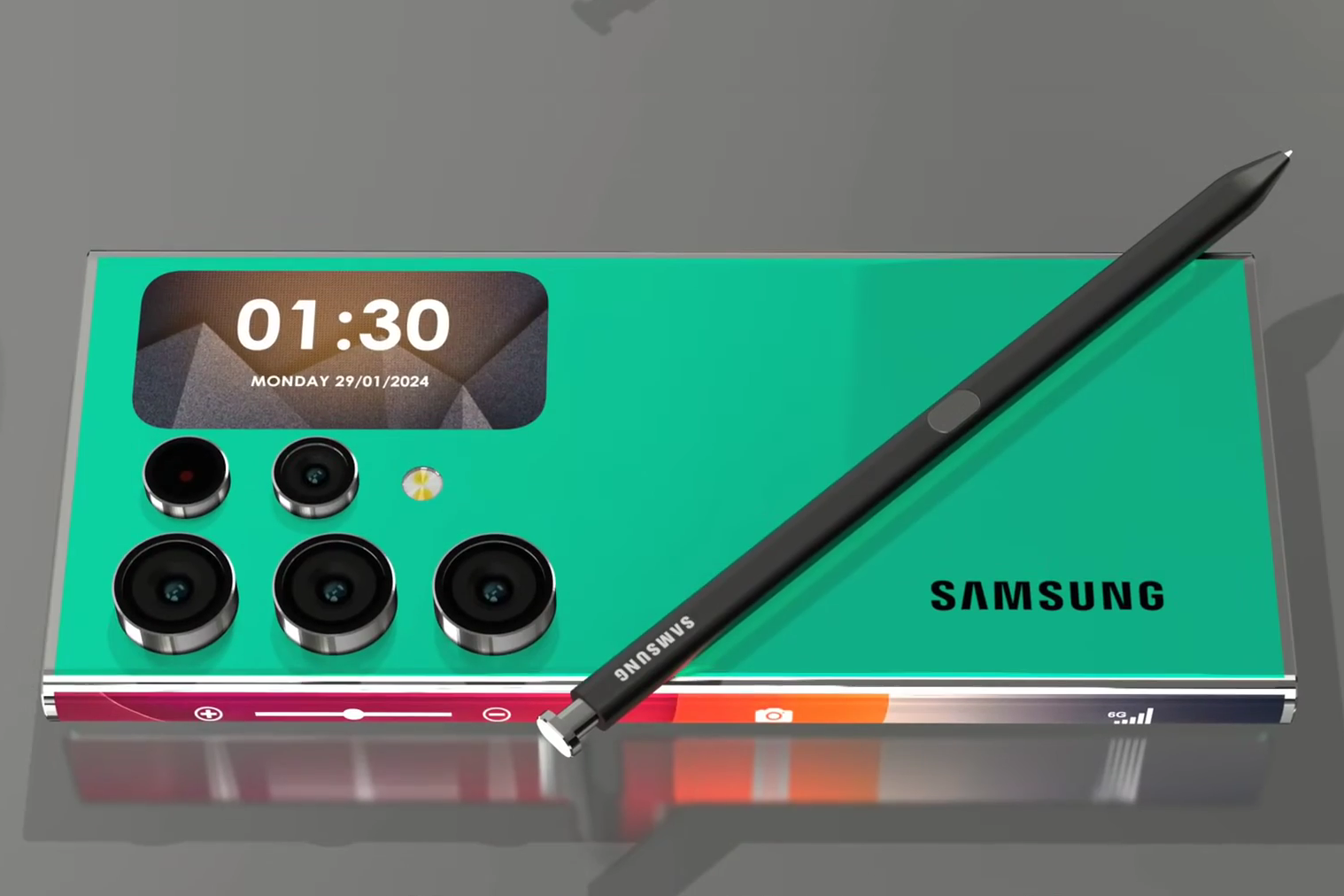
Despite rumors that the S26 Ultra may not bring revolutionary hardware changes compared to the S25 Ultra, one notable upgrade is expected: a larger aperture on the main camera.
This could significantly improve low - light image quality - a domain where even top smartphones continue to battle for superiority.
But that raises the real question: will users care more about the improved aperture… or about the heat coming from Sony’s brand - new flagship image sensor, the LYT - 901?
The aperture leap: Small in numbers, big in impact
Moving from f/1.7 (on the S25 Ultra) to a projected f/1.4 on the S26 Ultra might not sound dramatic, but in aperture terms, that’s a substantial difference.
A wider aperture of f/1.4 allows about 50% more light into the sensor. While not double, this boost is enough to noticeably enhance performance in low - light conditions.
Combined with the familiar 200MP ISOCELL HP2 sensor, the larger aperture is expected to deliver: cleaner low - light photos with less noise, lower ISO, faster shutter speeds, more natural depth - of - field blur, and better portrait separation.
While AI can simulate bokeh fairly well nowadays, improvements at the hardware level still offer practical advantages and authenticity that software can’t yet fully replicate.
Sony LYT - 901: The new weapon in mobile imaging
Sony recently unveiled its first - ever 200MP sensor, the LYT - 901.
According to PhoneArena, the LYT - 901 is a stacked sensor with a 1/1.12 - inch size - slightly smaller than the 1 - inch LYT - 900, but still larger than most current phone sensors.
It features 0.7 μm pixels and uses Quad - Quad Bayer technology, merging 16 small pixels into one larger pixel to boost low - light performance. AI is then employed to restore detail during zooming.
Sony claims the LYT - 901 excels at preserving detail in both highlights and shadows. It features built - in AI image processing, can shoot RAW 200MP at up to 10 fps, capture 50MP at 30 fps, and deliver high - quality 4x zoom via in - sensor crop.
The sensor is expected to debut in the Oppo Find X9 Ultra or Vivo X300 Ultra sometime in Q1–Q2 2026.
Is Samsung staying ahead?
The Galaxy S26 Ultra is anticipated to launch in late January - putting it one to two months ahead of rival flagships like the Find X9 Ultra and X300 Ultra, both likely to carry the LYT - 901.
This timing could be a strategic advantage. While Samsung remains the market leader, Chinese brands have rapidly closed the gap in imaging quality.
Leaked specs suggest the S26 Ultra will retain a familiar camera layout: 50MP ultrawide, 50MP 5x periscope zoom, upgraded 12MP 3x telephoto (up from 10MP), 12MP front camera, and a 200MP ISOCELL HP2 main sensor with a new f/1.4 aperture.
This continuity may shift the spotlight toward the “new challenger” - Sony’s LYT - 901 - especially if it performs as promised.
For photography enthusiasts, it’s not just about megapixels. What excites them is the ability to recreate real - world textures, maintain sharpness, and retain details in challenging lighting or during high - speed video capture.
If the LYT - 901 lives up to Sony’s claims, 2026 could be a landmark year for mobile imaging, ushering in new camera standards and intensifying the race between AI and hardware.
Even though Samsung may hit the market first with the S26 Ultra, the spotlight could shift rapidly when rivals launch devices with the LYT - 901 just weeks later.
Amid all the hardware speculation, one fact remains: the Galaxy S25 Ultra - and soon, the S26 Ultra - are still incredibly powerful photography tools. For proof, one only needs to look at how Japanese users have embraced the S25 Ultra in everyday use.
It’s no wonder that the compact camera market is nearly extinct.
Hai Phong
.svg)
