 Vietnamnet.vn

 Podcast



As Vietnam prepares for the 14th National Congress of the Communist Party, Vietnamese communities abroad from Hungary, Germany, France, Japan, Poland, and Australia have submitted heartfelt feedback to the draft Political Report.
The core message across all contributions stresses placing people at the center of development, promoting three strategic transformations (green, digital, and human resource), and treating knowledge and the global Vietnamese network as key drivers. Contributors propose concrete mechanisms for connection and implementation to turn aspirations into measurable results.
People at the center, three transitions as pillars
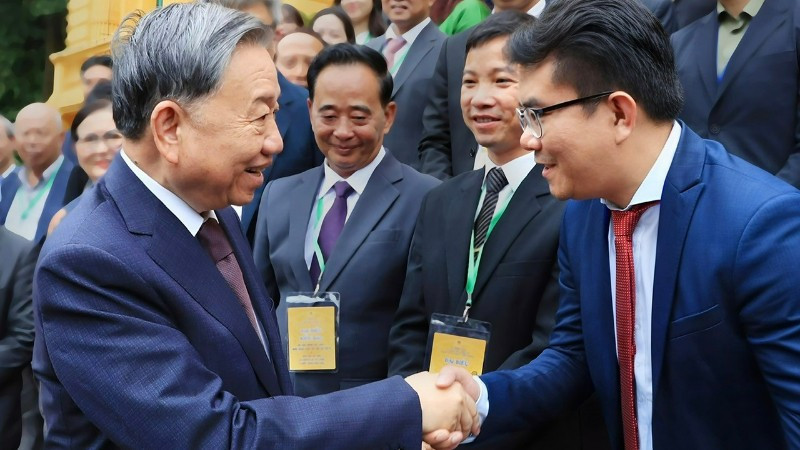
From Hungary, Dr. Phan Bich Thien (Member of the Central Committee of the Vietnam Fatherland Front, Chair of the Vietnamese Women's Forum in Europe) praised the draft for its balance of continuity and innovation, aligned with the goal of "fast, sustainable, prosperous, and happy development." She emphasized the need for the document to present a clearer vision of developing the Vietnamese people not only as a resource but as the ultimate goal of all policies.
According to Dr. Phan Bich Thien, three foundational values must be emphasized: national independence, resilience, and humanism. The three strategic pillars of the new era are green transition, digital transition, and human capital transformation. She stressed that development strategies must be grounded in creativity, cultural identity, and Vietnamese knowledge amid deep global integration, redefining Vietnam's role in global value chains.
A consistent theme among overseas Vietnamese is the need to build an independent, self-reliant economy that is deeply and effectively integrated into the global market.
Green and circular economy: Not merely a trend, this is a strategic imperative to address climate change and unlock new growth drivers. Many experts proposed recognizing green energy (especially green hydrogen) as a leading-edge technology; advancing green architecture, greening rooftops and walls, promoting adaptive urban development, and reducing emissions.
Knowledge-based economy and innovation: There is a call for breakthrough mechanisms to support R&D, prioritize high-tech enterprises, establish region-based innovation hubs, and tap into the youth advantage. Suggestions include creating an overseas Vietnamese innovation startup fund, and improving the legal framework for IP rights and technology transfer.

Agriculture and rural development: The draft should include orientation for building civilized, ecological, and modern rural areas, linking food security with regional cultural preservation and green value chains.
Reducing regional disparities: It is necessary to design special financial mechanisms for mountainous, border, and island areas; and to invest synchronously in transport, energy, and logistics infrastructure. For the Mekong Delta, the vision is to transform it into a green growth hub tied to clean energy and sustainable logistics, catalyzing both economic and ecological development.
On environmental matters, there were suggestions to make forest regeneration a national strategic goal, roll out an ecosystem restoration and reforestation program nationwide, expand forest environmental services, and develop a carbon market to mobilize social capital. A new mindset is needed: from "exploitation" to "restoration," from "green development" to "green recovery."
Elevating Vietnam's soft power
All diaspora contributions emphasized culture as the spiritual foundation of society and a vital internal force for sustainable development. From a policy perspective, priorities include:
Building a healthy cultural environment in cyberspace; linking heritage conservation with sustainable tourism; and positioning Vietnamese culture as a national soft power with values of compassion, resilience, creativity, and harmony.
Holistic education: Prioritize digital citizenship, creativity, green skills, and professional ethics from secondary to vocational and higher education. Vocational training must be a pillar of national human capital alongside universities. The system should be tightly aligned with enterprise demands and global value chain standards.
Gender equality, social welfare, youth care: Seen as cornerstones of national happiness. Proposals include a development fund for women-led businesses, preferential procurement for female entrepreneurs, and training in digital management and sustainable business practices.
In terms of approach, some experts proposed replacing the term "on par with" with "in sync with" regional and global trends; adopting the principle of "learner-centered" education; and prioritizing targeted investments to establish flagship research universities leading innovation.
Diaspora as strategic resource, people-to-people diplomacy as a pillar
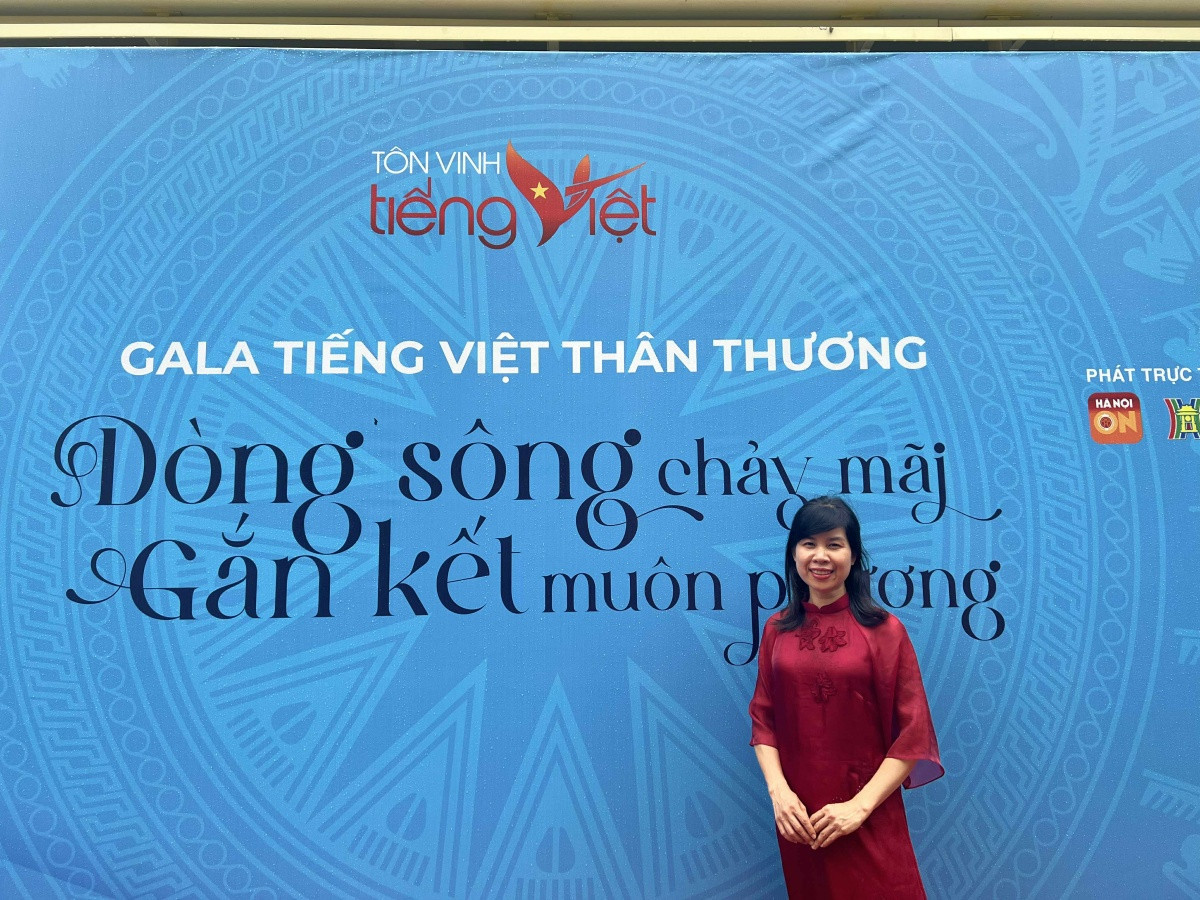
A point of strong consensus among contributors is that overseas Vietnamese are a strategic resource for integration and development. People-to-people diplomacy should be an official, professional, and effective pillar. Suggestions include:
Recognizing the Vietnamese global knowledge network as a national development driver; creating an ecosystem to connect diaspora in key sectors: science, technology, innovation, digital transformation, environment, healthcare, education, and non-traditional security.
Developing a national database on high-quality human resources by assembling diaspora experts, scientists, entrepreneurs, and students; supporting domestic schools, institutes, and businesses in seeking overseas partners, advisors, and recruits; and forming two-way knowledge transfer chains.
Preserving cultural identity: Expand Vietnamese language education abroad; replicate Vietnamese language class models; develop global digital learning platforms; and build "Vietnamese Houses" in major diaspora countries to serve as centers for cultural exchange, legal advice, career orientation, study abroad and startup support.
Institutionalize regular coordination between diplomatic missions and diaspora associations; develop a network of "people's ambassadors" to ensure every Vietnamese abroad can serve as a trusted bridge for the nation.
Other proposals include regular two-way dialogues between national leaders and overseas Vietnamese; simplifying administrative procedures; recognizing foreign degrees; and facilitating repatriation, investment, and cooperation. Overseas Vietnamese affairs should be considered a strategic component of national unity and soft power, contributing to early and distant national defense.
Two breakthrough ideas for youth: "Digital cultural ecosystem" and "national opportunity portal"
From France, Dr. Hoang Thi Hong Ha (Vietnamese Language Ambassador Abroad 2025) proposed two key pillars to embed cultural and human development strategies into diaspora community life:
Strategic investment in Vietnamese language education: Develop modern curricula tailored to the psychology of youth growing up abroad; create apps and games for learning Vietnamese; and establish mechanisms to train and certify Vietnamese language teachers in host countries. "Language is the vessel of culture; losing Vietnamese means losing much of our identity," she stressed.
Building a national "digital cultural ecosystem": A digital library, 3D historical museums, and digitized film-music-art archives for the diaspora to reconnect with roots in cyberspace. Professionalize Vietnamese cultural and culinary weeks abroad as effective people-to-people diplomacy.
To ignite aspirations and offer meaningful engagement for overseas youth, Dr. Hoang Thi Hong Ha proposed establishing a "national opportunity portal" to transparently aggregate projects and initiatives from ministries, provinces, and businesses. She also suggested piloting a "young intellectual/volunteer visa" (1-2 years) for Vietnamese youth under 35 to intern, research, or start businesses in Vietnam, supported by a one-stop mechanism to ease procedural hurdles.
From Poland, Tong Thu Huong (President of the Vietnamese Women's Association in Poland) called for stronger recognition of women in the diaspora as vital actors in people-to-people diplomacy and national branding. This group contributes significantly across culture, education, charity, and international exchanges.
Focusing on green infrastructure and digital competencies
The Vietnamese Embassy in Germany hosted a roundtable to gather feedback from intellectuals and entrepreneurs for the 14th Party Congress draft. Their input focused on three pillars:
Green growth and 2050 carbon neutrality: Position green hydrogen as a core technology; invest in strategic infrastructure for the Mekong Delta tied to green energy and sustainable logistics.
Education, science, and technology: Adjust goals to be "synchronized" with the region; put learners at the center; and make targeted investments to create top-tier research universities.
Digital workforce: Build a national human resources portal, establish a digital competency scale, standardize competency assessments in education, and create mechanisms for regular engagement between the diaspora knowledge network and local governments for policy advising and technology transfer.
Diaspora youth and students: A strategic force
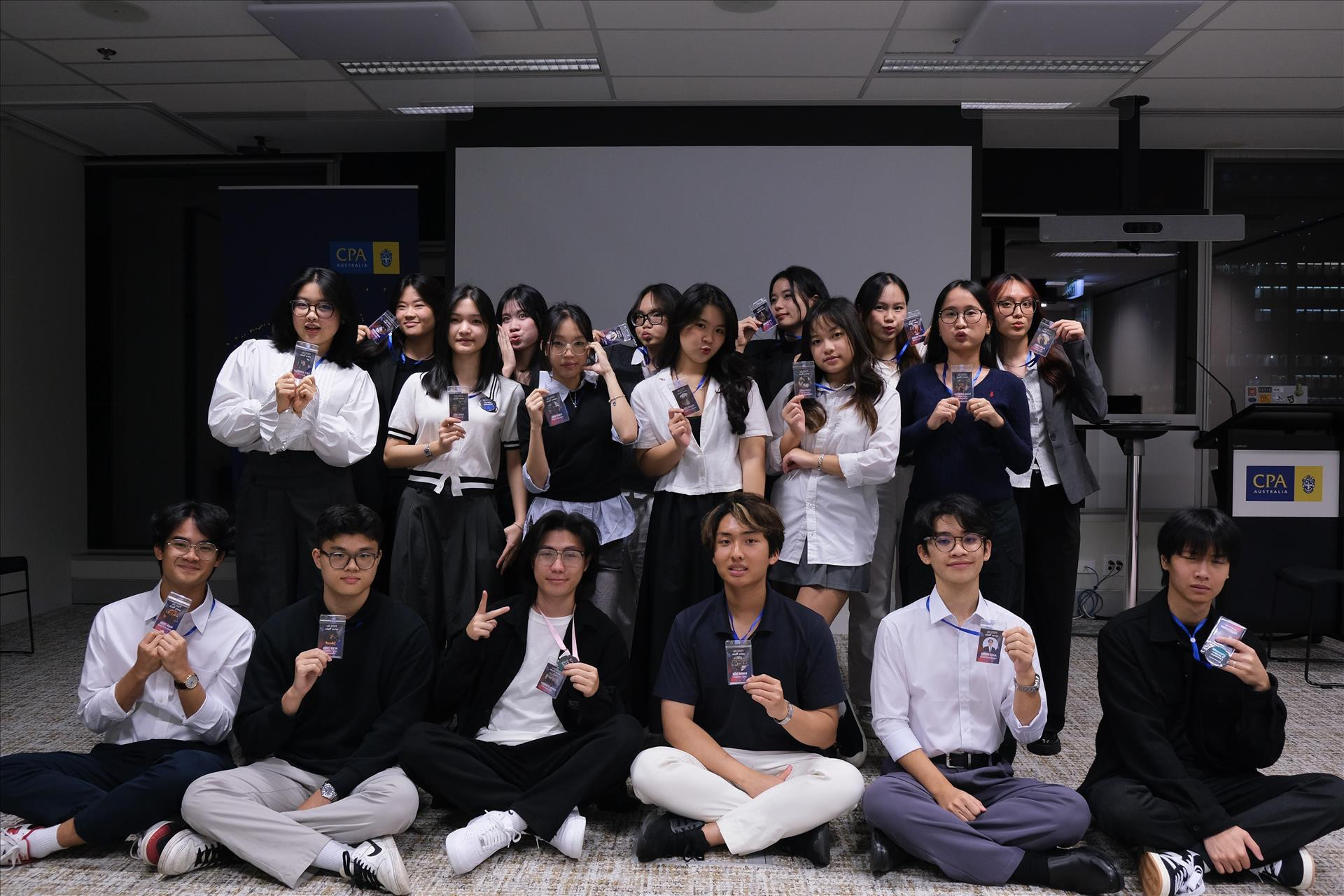
Representing over 30,000 youth, students, and young intellectuals, the Vietnamese Students Association in Australia reaffirmed its commitment to the homeland and proposed specific mechanisms to institutionalize their role in national development. Key proposals include:
Mobilizing diaspora youth and students: Recognize them as a strategic resource; promote short-term exchanges; validate international experience; and connect their contributions with domestic innovation programs.
Education and training: Recognize international credits and experience; implement short-term internships between domestic and overseas institutions; and invite diaspora lecturers to teach and advise in Vietnam.
Culture: Support overseas student clubs in preserving language and culture; facilitate cultural and language exchanges between Vietnamese and international schools.
High-tech and digital transformation: Pilot preferential mechanisms for partnerships between domestic firms and diaspora research/startup teams, including technology transfer and local workforce training with clear evaluation criteria; ensure transparent data governance and privacy protection.
The diaspora’s contributions to the 14th Party Congress draft reflect deep responsibility, long-term vision, and a shared desire to walk with the nation. With transparent, efficient, and inclusive mechanisms in place, Vietnam's global knowledge capital and soft power can become vital engines propelling the country forward in the new era.
Thai An
.svg)
