 Vietnamnet.vn

 Podcast




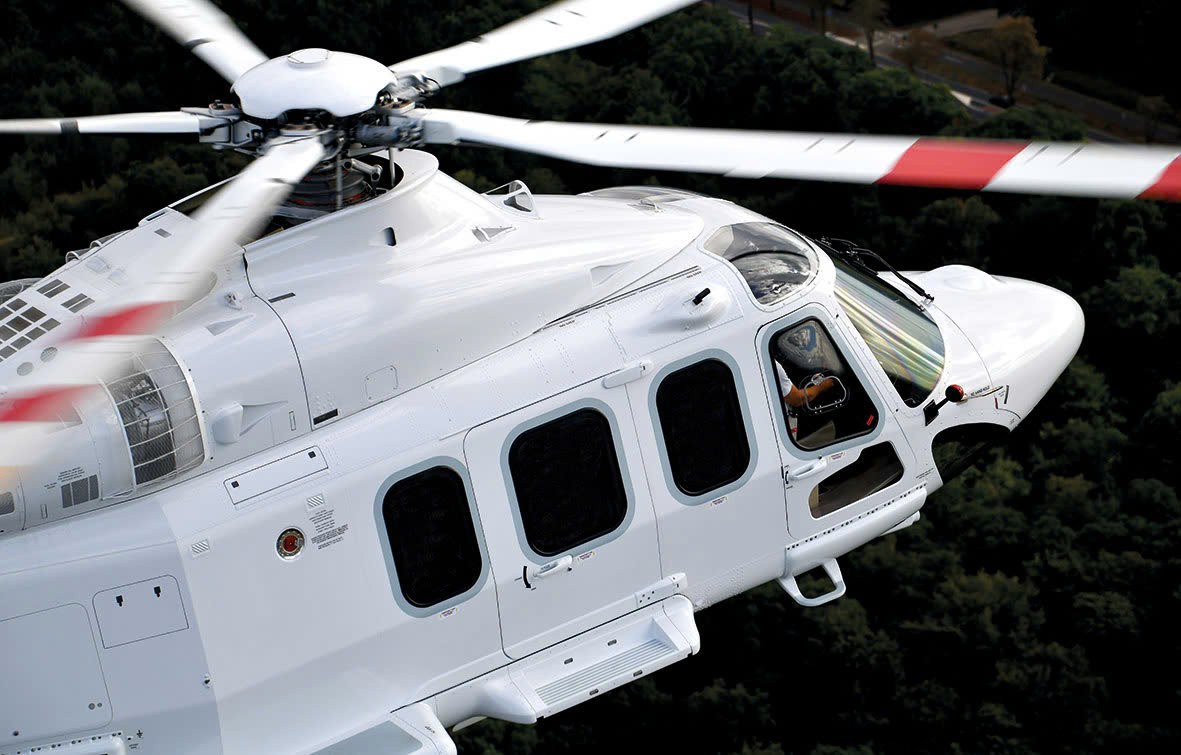
Sau emphasized that low-altitude aviation must grow in tandem with general aviation. While general aviation already has small airports and trained personnel, low-altitude aviation introduces new technologies and service demands. Together, they can complement each other, broaden market size, and maximize use of existing infrastructure.
Low-altitude transport brings significant economic and social benefits: reduced travel time, faster emergency response, and logistics support, while fostering new supply chains in aircraft production, infrastructure, digital platforms, and maintenance.
Vietnam also holds a competitive edge as one of the world’s top exporters of creative goods, which reflects its strength in innovative design and production.
However, Sau also acknowledged the major obstacle: the lack of a comprehensive legal framework.
“Vietnam has shown intent to develop low-altitude air transport, but without legal corridors, it cannot scale,” he said.
“There are still no clear rules on managing airspace at low altitudes, no urban-suited flight maps or procedures, and no established coordination mechanisms between civil aviation, military operations, and local authorities for supervising such flights.”
Sharing the same concern, Ho Thanh Huong, CEO of Bluesky Airways, noted that low-altitude airspace remains underutilized, with no specific regulations supporting independent low-altitude aircraft operations.
“Currently, helicopters can only take off and land at traditional airports, which are designed for fixed-wing aircraft. Helicopters, which ascend and descend vertically, should have access to dedicated helipads,” she said.
“Bringing a helicopter to the airport’s runway is time-consuming and impractical. Their slow speed interferes with fixed-wing aircraft traffic. Moreover, the flight approval process is far too slow for what should be rapid, on-demand mobility.”
Building an ecosystem and unlocking new value chains
Sau warned that without soon establishing a practical regulatory framework, Vietnam risks losing its early-mover advantage in building a domestic low-altitude aviation market while other countries rapidly develop pilot zones and legal structures.
Therefore, issuing trial regulations, defining low-altitude corridors in key cities and industrial zones, and setting basic standards for small helipads is now urgent.
“These steps would allow Vietnam not only to catch up but to lead, leveraging our creative production capacity and export strengths,” Sau added.
“In traffic-congested cities, low-altitude services could create a new transportation channel, quickly connecting city centers to airports, warehouses to hospitals, or industrial parks. They could also support emergency medical transport and high-end tourism.”
He noted that destinations like Ha Long, Ninh Binh, Da Nang, or Phu Quoc are ideal for scenic flights and luxury transfers.
As a pioneer in general aviation with years of market experience, CEO Ho Thanh Huong confirmed that no civil airline in Vietnam currently provides helicopter services for business travelers.
However, recognizing the growing need due to worsening road congestion, she sees clear demand for helicopters as a ground transport alternative.
“The shift to alternative vehicles is essential to ease pressure on road traffic,” she said. “The demand is real and growing, especially among business executives and for medical emergencies or rescue operations.”
To seize the moment, Bluesky Airways has signed a deal to acquire two long-range Italian AgustaWestland helicopters, including the AW139 and AW189 models, which will be delivered in the second half of 2026.
Huong expressed hope that both general and low-altitude aviation will be prioritized for development, as in many advanced nations.
She called on regulators to issue clear licensing and operating guidelines for low-altitude aircraft, particularly helicopters.
Additionally, Huong proposed that flight permit processes be made more flexible to meet the needs of business and tourism passengers.
She also advocated for helicopters to be allowed to take off and land at dedicated helipads rather than at conventional airport runways.
Aviation law reform may unlock the sky
The draft amendment to Vietnam’s Civil Aviation Law includes provisions to manage airspace more flexibly, opening the door for low-altitude and general aviation services.
The revised law is expected to be submitted for approval at the 10th National Assembly session in October 2025.
A representative of the Civil Aviation Authority of Vietnam, which is leading the legislative draft, confirmed that feedback from the National Assembly Standing Committee had been incorporated into the law.
The updated draft now includes policies and clauses designed to support low-altitude transport, laying the legal foundation for Vietnam’s future “low-altitude economy.”
N. Huyen
.svg)
