 Vietnamnet.vn

 Podcast



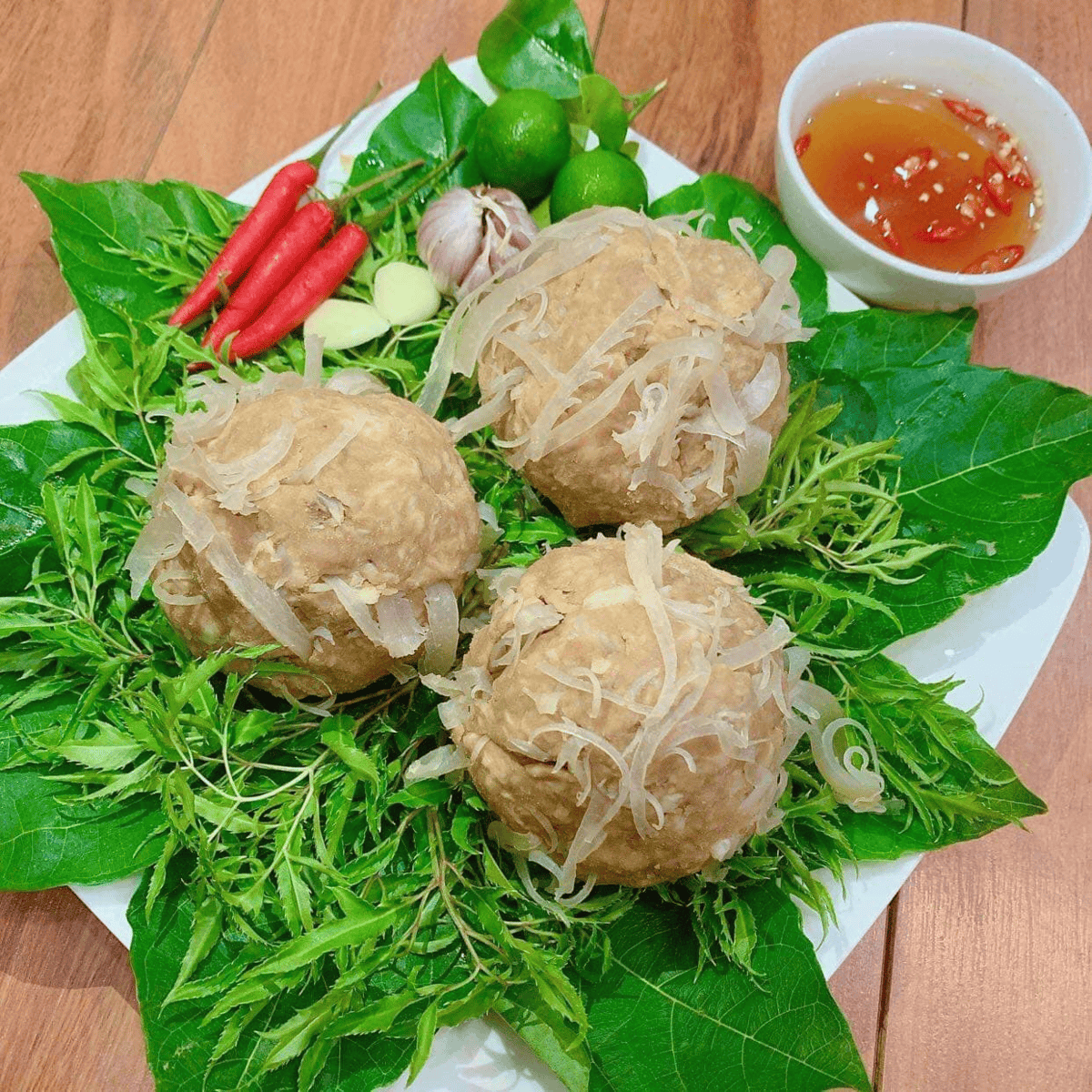
Ngoc Anh, a visitor from Hanoi, attended a colleague's wedding in Giao Thuy commune, Ninh Binh province (formerly part of Giao Thuy district, Nam Dinh province) and was impressed by the hearty feast, featuring several unfamiliar but delicious dishes such as xoi nen (pressed sticky rice cake), chao chan gio (spicy pork hock roll), and nem mong tay (pork skin spring rolls).
Among them, she was most impressed by nem nam (fermented pork roll).
“I’ve tried a few types of traditional nem before, like Bui Village fermented pork roll and Thanh Hoa fermented pork roll, but I find Giao Thuy nem nam suits my taste better. It has a distinct flavor. Even though it’s paired with salty fish sauce from Sa Chau, a famous local product of Giao Chau commune in the former Giao Thuy district, instead of the sweet-and-sour dipping sauces or chili sauce used elsewhere, I still find it very appealing,” said Ngoc Anh.
She observed that although the tray included several hot dishes like steamed shrimp and stir-fried squid, nem nam was picked the most and finished the quickest.
She was even more intrigued to learn that this dish is not only served on special occasions but is also a regular part of daily meals for local families. Yet when presented in a ceremonial feast, this rustic specialty is still one of the most beloved items.
Ngoc Anh also noted that Giao Thuy nem nam is wrapped in sung (fig) leaves, with banana leaves on the outside. When eaten, she found it rich, tender, and juicy, with the roasted rice powder lending it a fragrant aroma and a balanced flavor, making extra seasoning unnecessary.
“I was so impressed by the nem nam that I asked for a trusted local shop and managed to buy 10 rolls to bring back to Hanoi as gifts for my family and friends,” she shared.
Phan Tuan, the owner of a long-standing nem nam business in Giao Thuy, said that nearly every household in the area has someone who knows how to make the dish.
Making nem
However, making good nem requires experience and skills in selecting ingredients, processing and packaging. According to Tuan, the pork used for nem must be clean, fresh, and slaughtered the same day. Under no circumstances should pork from the previous day be used.
Meat is washed thoroughly and boiled just enough to retain moisture and natural sweetness. It's then sliced thin and tenderized using the back of a knife. “The meat has to be tenderized, not minced, to ensure it’s soft but not too mushy or broken. This also keeps the meat juicy and prevents it from drying out,” said Tuan.
Aside from meat, pork skin is also an essential ingredient. It must be thoroughly cleaned, with the hair and outer layer scraped off, then soaked and rinsed with salted water. Next, the skin is boiled until just cooked, timed carefully to avoid it becoming too tough and losing its crunch.
After boiling, the skin is soaked in ice water to increase crispness and maintain its appealing ivory-white color. It's then drained and thinly sliced before being mixed into the nem.
“Nowadays, some local producers use machines to slice the pork skin for higher efficiency and to save time and effort. However, my family still sticks to the traditional manual method. This ensures the skin is evenly thin, crunchy, and completely free of leftover hairs. That’s part of what sets our nem apart and keeps it memorable for customers,” Tuan added.
He also revealed that the prepared pork and skin are mixed with garlic, MSG, roasted rice powder, and fish sauce. The sauce used is a concentrated variety from Sa Chau village. Tuan prefers using sauce made from shrimp instead of fish to avoid any strong or fishy odor.
The final step is wrapping the nem. This must be done carefully to ensure the roll is both visually appealing and sturdy enough to withstand transport without tearing or breaking apart. Each roll includes a handful of sung leaves inside.
Tuan said that nem nam Giao Thuy is sold for around VND50,000 per roll. Depending on size and customer request, rolls can range from VND40,000 to VND60,000.
Ha Nguyen
.svg)
