 Vietnamnet.vn

 Podcast



Tucked like an oasis in the heart of Thai Nguyen, Thai Hai village hums with the rhythm of a slower world. There are no buzzing engines, no city lights-only the soft knock of a bamboo bell, lullabies, and stilt houses breathing with memory.
The Tay people here live as their ancestors did-quietly, resiliently, and full of love. There’s no need to build a museum, because every step, every glance is already heritage.
Through the bamboo bell gate

On a misty morning after rain, Thai Hai glistens with fresh dew and damp earth. The air feels rinsed clean, revealing a green so pristine it astonishes. Above, children's kites carve calligraphic strokes against the clear sky. One might wonder: has nature poured all its gentleness into this one place?
Thai Hai sits in a lush valley, just half an hour from Thai Nguyen City, yet stepping into the village feels like entering a parallel world. There are no blaring horns or cold concrete-only birdsong, laughter, and the soft echo of a bamboo bell at the gate.
Standing before the simple bamboo entrance, where a clear well and a silent bell await, one is gently reminded: “Wash your hands, strike the bell, then enter,” says Le Thi Nga, the village deputy. It’s not just a ritual, but a spiritual act-a quiet cleansing of urban dust before entering with reverence and clear eyes.
Bathed in soft light, each story told feels like a fragment of ancestral memory. Nga leads visitors through narrow lanes she calls “memory zones.” Every wooden pillar, every woven mat, every water jar is more than an object-they are witnesses. “No museum compares to a living village,” she says, her eyes reaching into the past.
Memory on green grass
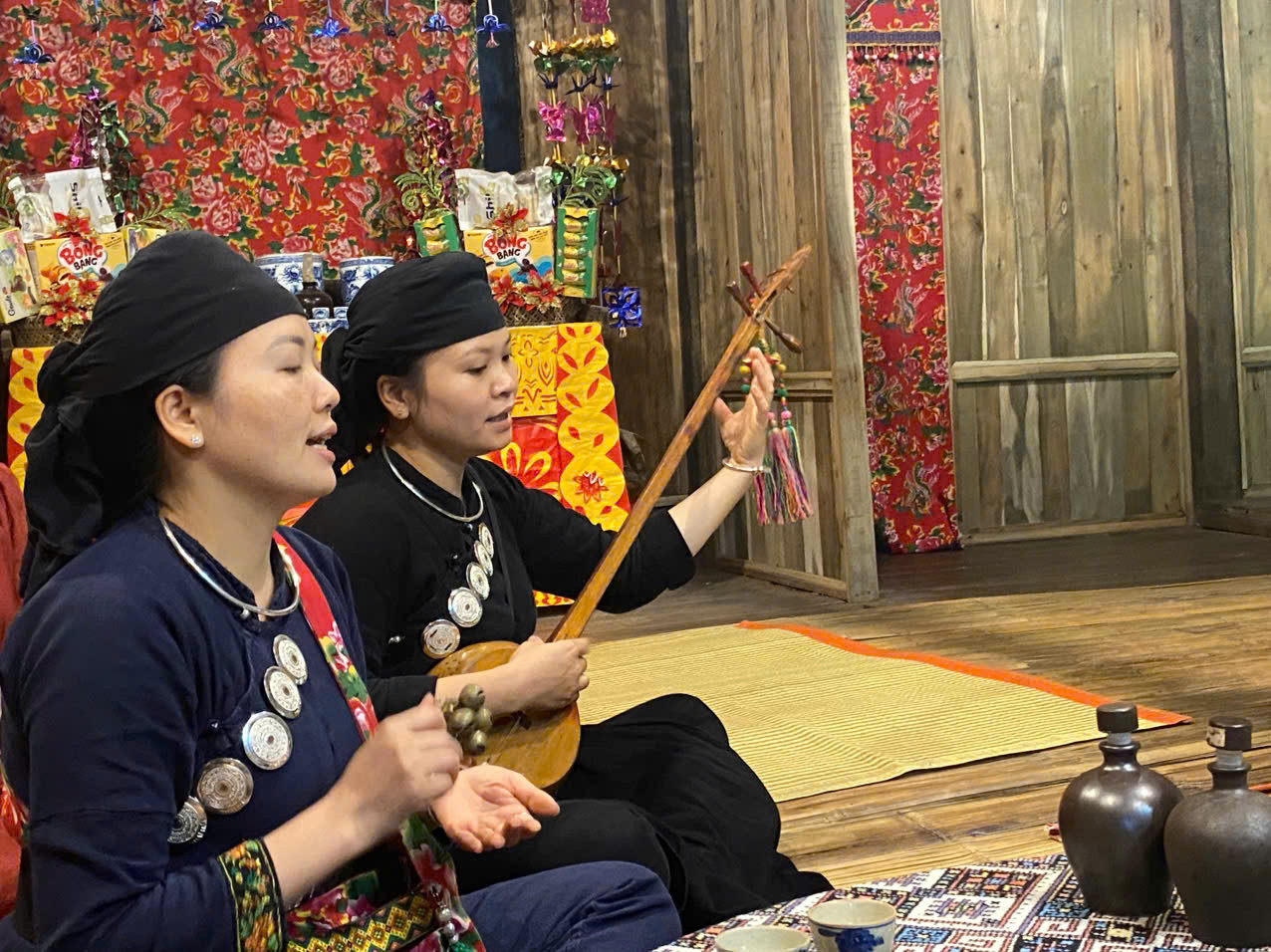
Around thirty Tay households live here like one big family. They cook together, work together, and protect every stilt house, every "then" melody, every ancient custom as if they were lifeblood.
There are no slogans about cultural preservation. Culture is not locked in display cases-it breathes in each movement, each glance, each midday lullaby.
Children wear traditional Tay clothes as naturally as trees wear green. They kick balls across grassy yards, shouting in their mother tongue-clear as dewdrops, as if echoing from a distant past filled with muddy summers and joyful hearts.

Speaking to an elderly woman who has lived here for nearly two decades was especially moving. She spoke slowly, her voice husky like wind rustling through bamboo: “Here I can be myself. Here, we live truly. The kids grow up on then songs and real fairy tales-nothing is fake.”
Guests are offered “banh gai,” a rustic sticky rice cake with the scent of wild leaves, and Thai tea-not the kind in factory packs, but hand-roasted, crushed, and brewed in old clay pots, fragrant like a mother’s breath. These aren't luxurious, but they calm the soul with quiet tenderness.
Where tradition lives, not fossilizes

Thai Hai doesn't try to be a model tourist village. There are no staged performances or gaudy costumes to attract guests. They simply live-and it is this simplicity that captivates, like a breeze in the stifling heat of urbanization.
Leaving Thai Hai as the soft afternoon sun sets, the scent of cut grass mingles with the earthy perfume after rain. A child still standing in the yard waves goodbye with a radiant smile. It’s not hurried or theatrical, but so pure it stills the heart. How deeply must one love life to keep such an innocent smile?
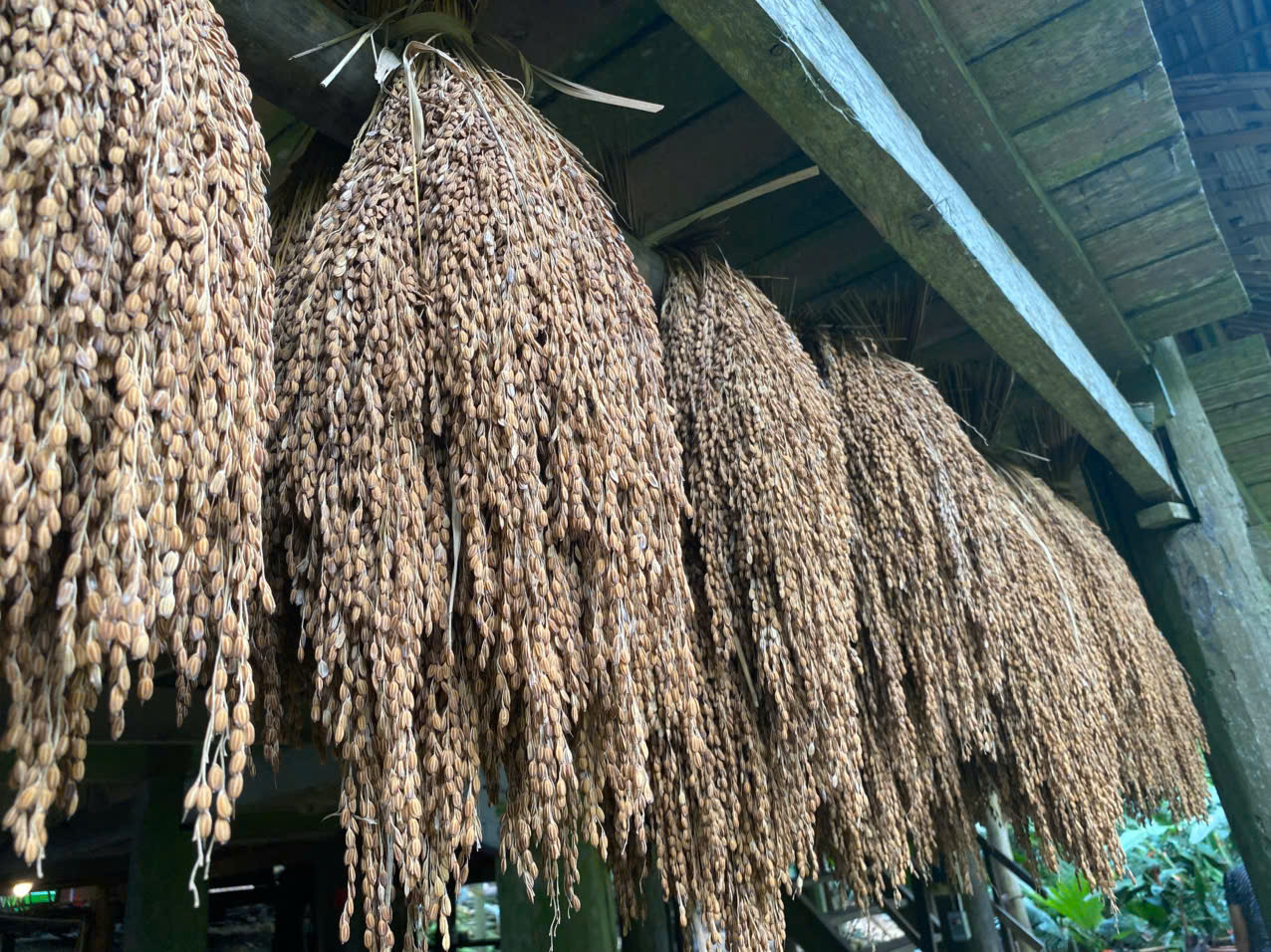
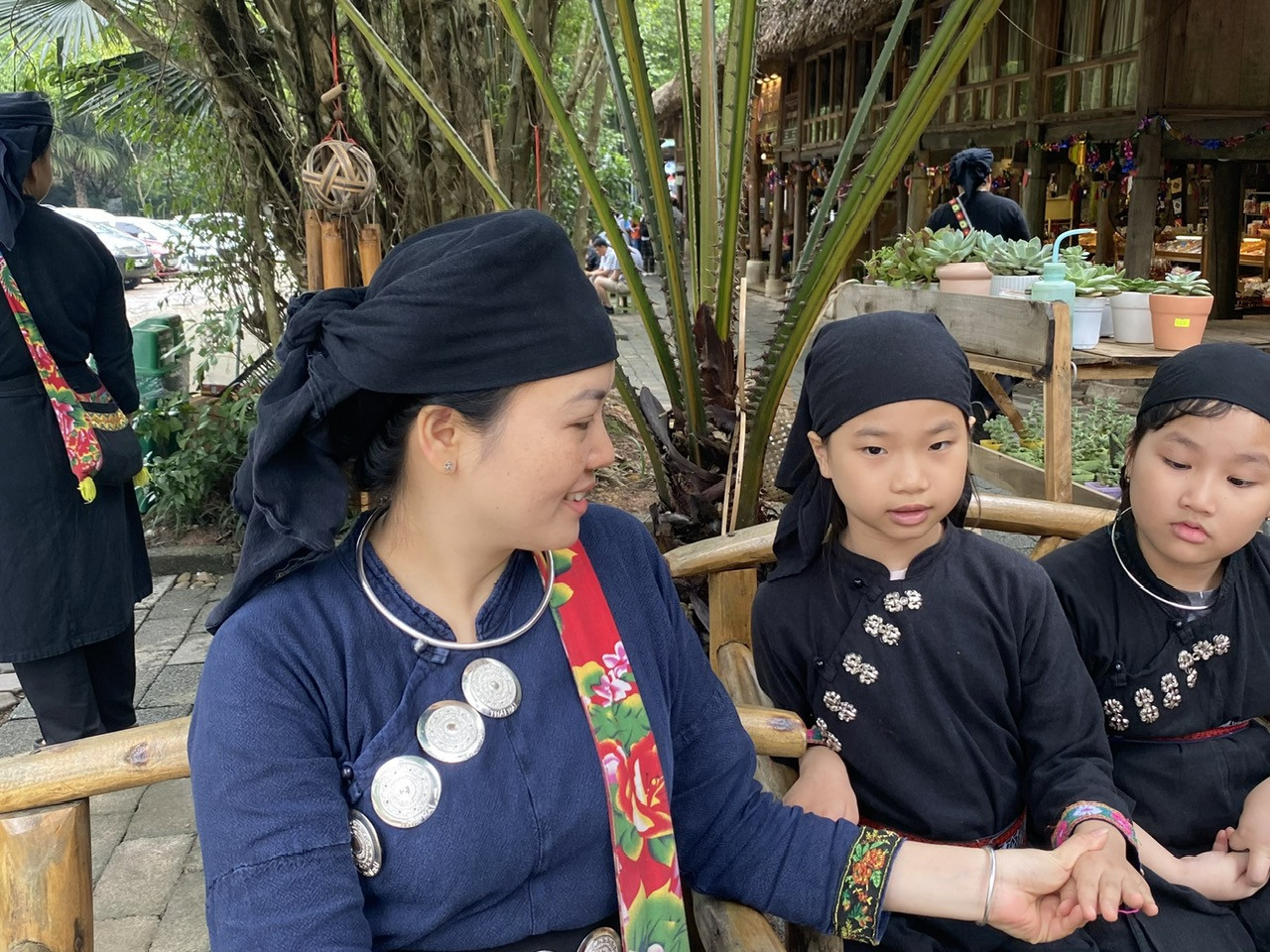
Small moments feel like treasures: the sparkle in a child's eye offering a drink, the wrinkled hands of an elder holding a dong leaf, the calm nod of a man returning from the fields. Together they whisper: here, people live by their kindest selves.
In a world increasingly noisy and rushed, Thai Hai is a gentle, profound, and tender note. It teaches the value of authenticity, gratitude, and preserving memory not with concrete and steel, but with love, repetition, lullabies, and compassion.
Thai Hai may not awe with dramatic landscapes, but its honesty, warmth, and sincerity strike the deepest chords of the soul-a quiet reminder that even the smallest acts of love can preserve an entire culture. Thai Hai says one simple yet profound truth: love is humanity’s greatest legacy, the force that keeps a village-and a people-eternally alive.
Hanh Nguyen
.svg)
