 Vietnamnet.vn

 Podcast



As Vietnam's film industry grows, the issue of unpaid salaries and withheld earnings is increasingly affecting actors, raising alarm across the artistic community.
This is no longer just a personal problem - it's damaging the reputation and integrity of the country’s cinematic sector.
A professional film industry must be built on structure, transparency, and lawful conduct - ensuring all parties, from actors to production crews, operate in a safe, ethical, and regulated environment.
Building a safe, professional film environment
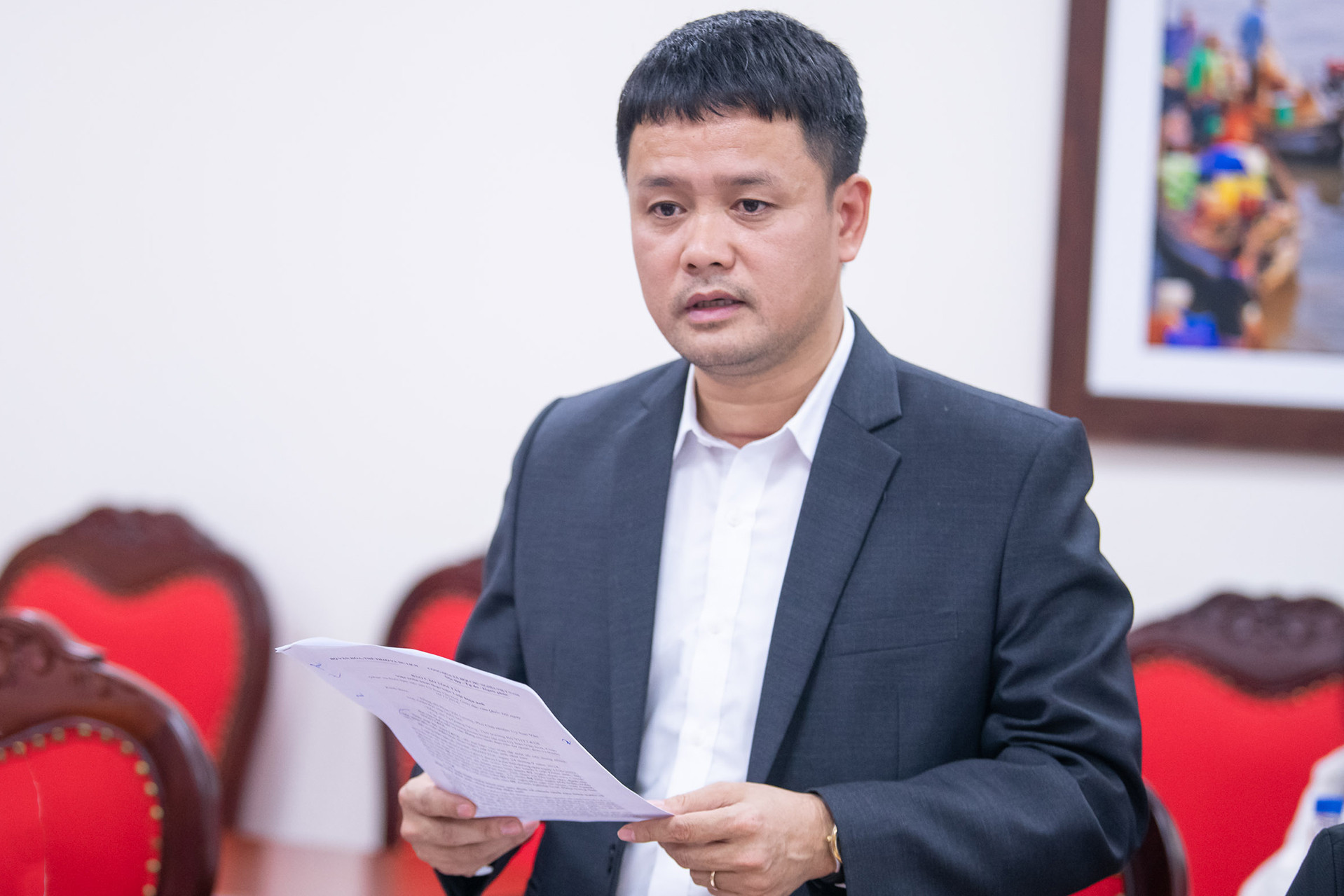
Speaking to VietNamNet, Dang Tran Cuong, Director of the Cinema Department, emphasized that withholding or delaying actors' wages is a civil and labor law violation.
“This directly impacts the lawful rights of creatives and film workers,” Cuong stated. “The Cinema Department does not stand idle. We believe every organization and individual in the film industry must honor contracts and pay participants fully and punctually.”
When asked how the agency protects artists' rights, Cuong explained that the department consistently promotes transparency and fairness. While disputes over wages fall under civil and labor jurisdiction and must be handled by courts or labor inspectors, the agency actively supports affected individuals.
The Cinema Department receives complaints, coordinates with industry associations, and urges producers to adhere strictly to contracts - particularly regarding financial obligations. It also tracks and publicizes verified violations to help workers avoid untrustworthy production companies.
“The Cinema Department is committed to building a safer and more ethical work environment,” Cuong affirmed.
Legal self-protection is key

Truong Van Tuan, Head of Trang Sai Gon Law Office and member of the Ho Chi Minh City Bar Association, noted that Vietnamese law does not define standard clauses for performance contracts.
To avoid payment issues, he recommends actors include clear, enforceable terms in contracts - such as payment schedules, specific fees, penalties for breach of contract, and interest on late payments.
If any clause is unclear or one-sided, actors should request clarification or amendments - especially when dealing with template contracts.
Tuan also advised performers to research a production company’s reputation and payment history before signing. During a project, artists should retain payment proofs such as receipts, transfer confirmations, or signed acknowledgments to safeguard themselves legally.
“If producers delay or refuse payment, actors should first send formal reminders,” he said. “If there’s no response, they have every right to pursue legal action in court.”
A need for collective action and deterrence

The cast of Mother’s Dream on set. Photo: Archive
Duong Cam Thuy, Chair of the Ho Chi Minh City Cinema Association, echoed the concern: “Solving unpaid salary issues remains a tough challenge across the industry.”
She advises performers to review contracts carefully and seek legal help if unsure. “We've set up a legal advisory group with lawyers who are also actors. But so far, no one has reached out,” she noted.
Thuy emphasized the need for stricter action from government bodies. “Stronger measures and penalties are essential to hold producers accountable and enforce ethical conduct.”
Tuan Chieu
.svg)
