 Vietnamnet.vn

 Podcast



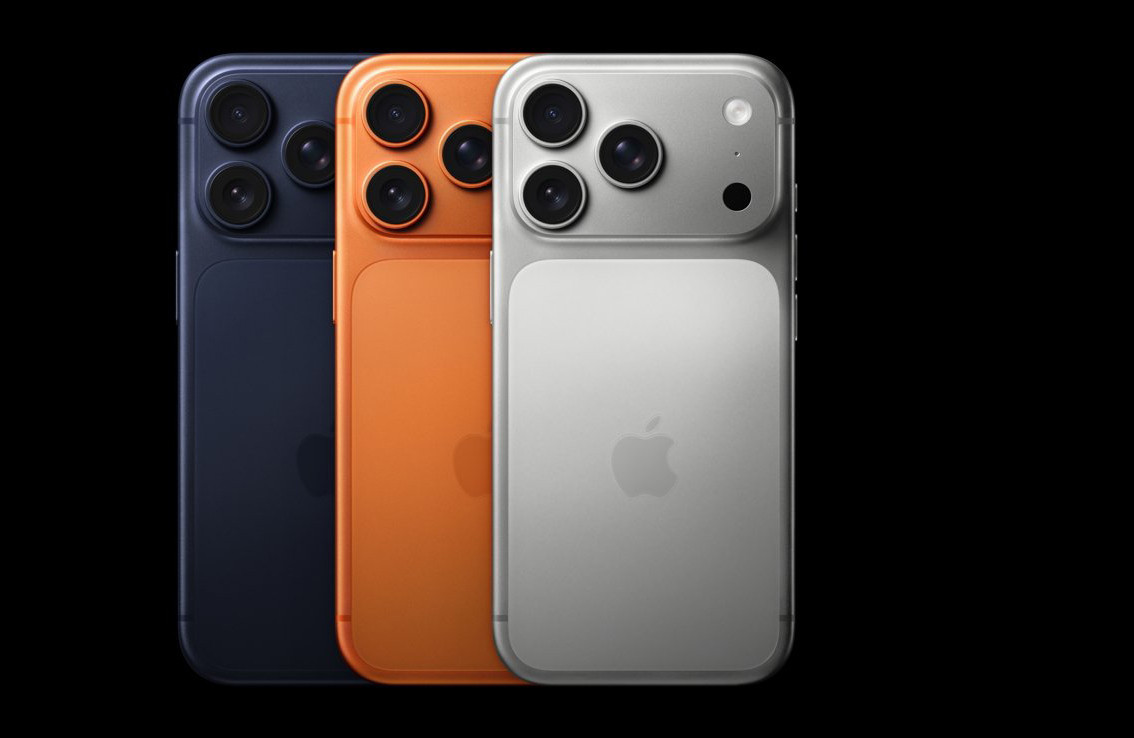
The iPhone Pro series has always occupied the high-end segment. The iPhone 16 Pro measured 149.6 x 71.5 x 8.25mm and weighed 199g - already heavier than its predecessor. The iPhone 17 Pro introduces a slight size change: 150.1 x 71.9 x 8.6mm and 206g. The increased weight is due to Apple switching from a titanium frame to a solid unibody aluminum frame. While titanium is lighter yet durable, aluminum offers more structural integrity and a seamless design.
One of the most noticeable design updates is the camera layout. Breaking away from the long-standing square module, the iPhone 17 Pro now features a horizontally stretched rectangular camera strip across the back, reminiscent of the Pixel 9 Pro’s design, but uniquely Apple.
Display: Ultra-bright for outdoor visibility
Both the iPhone 16 Pro and iPhone 17 Pro feature a 6.3-inch OLED Super Retina XDR display with 2622 x 1206 resolution, 460 PPI, and ProMotion 120Hz refresh rate.
The iPhone 17 Pro excels in brightness, reaching up to 3,000 nits outdoors, compared to 2,000 nits on the iPhone 16 Pro. This upgrade makes it easier to view the screen under direct sunlight. Core features like Dynamic Island, HDR, True Tone, and P3 color gamut remain unchanged, but the display experience is significantly more comfortable on the newer model.
Camera: Built for content creators
The iPhone 16 Pro’s triple-camera system includes a 48MP main sensor (f/1.78, second-gen Sensor-Shift), a 48MP ultra-wide (f/2.2, 120° FOV), and a 12MP Tetraprism telephoto with 5x optical zoom.
The iPhone 17 Pro introduces the Pro Fusion Camera System: a 48MP main sensor, an optimized 48MP ultra-wide, and a new 48MP telephoto with 4x optical zoom, Hybrid Focus Pixels, and 3D Sensor-Shift OIS. These enhancements enable 8x "optical-quality" zoom, surpassing the 5x limit on the iPhone 16 Pro. Digital zoom has also improved from 25x to 40x.
The iPhone 17 Pro becomes the first smartphone to support ProRes RAW, Log 2, and Genlock video technologies. Genlock synchronizes multiple camera feeds in real time - ideal for cinematic effects like Matrix-style “Bullet Time.” It’s a serious upgrade for professional filmmakers and content creators.
The front camera also gets a major upgrade - from 12MP to 18MP with Center Stage AI support, automatically framing group selfies and FaceTime calls. The new Dual Capture feature allows simultaneous front and rear video recording.
Performance: A19 Pro and vapor chamber cooling
The iPhone 16 Pro used the A18 Pro chip (3nm, 6-core CPU, 6-core GPU with hardware ray tracing), delivering a 20% performance boost over the A17 Pro.
The iPhone 17 Pro introduces the A19 Pro chip, along with vapor chamber cooling for sustained high performance - Apple claims a 40% improvement in sustained performance over the A18 Pro.
It retains a 6-core CPU but with optimizations, and a 6-core GPU where each core integrates a Neural Accelerator. Combined with larger cache memory, this marks Apple’s serious move into AI and advanced graphics processing.
RAM has also increased from 8GB to 12GB, enabling smoother Apple Intelligence performance on-device.
Connectivity: Debut of the N1 chip
Both models support 5G (mmWave + Sub-6GHz), Wi-Fi 7, Ultra Wideband, NFC, USB-C 10Gbps, and satellite connectivity (including roadside SOS).
The iPhone 17 Pro adds a new N1 chip, which handles Wi-Fi, Bluetooth 6, and Thread protocol for smart home devices. This improves AirDrop speeds, personal hotspot performance, and smart home connectivity.
Battery and charging: Bigger gains
The iPhone 16 Pro offers up to 27 hours of offline video playback and 22 hours online.
The iPhone 17 Pro boosts that to 33 hours offline and 30 hours streaming - enough to last an entire weekend without charging.
Charging is also faster: 40W fast charging (50% in 20 minutes), compared to 20W on the 16 Pro (50% in 30 minutes). Both support MagSafe (25W), Qi2 (15W), and Qi (7.5W).
Additional features: Enhanced user controls
Both models are IP68-rated for water and dust resistance, with crash detection that automatically contacts emergency services in accidents.
The iPhone 16 Pro introduced the Action Button and capacitive Camera Control, which lets users swipe to adjust settings without touching the screen UI.
The iPhone 17 Pro keeps both features, blending physical and haptic controls seamlessly.
Storage, colors, and price
The iPhone 16 Pro starts at 128GB and $999. The iPhone 17 Pro eliminates the 128GB option, starting at 256GB with prices from $1,099 to $1,499 (1TB).
Apple ditches the neutral titanium palette in favor of bolder colors: silver, space orange, and deep blue, giving the 17 Pro a more youthful appeal.
Is the upgrade worth it?
If you're a content creator, the iPhone 17 Pro is a compelling upgrade with its 48MP telephoto lens, 8x zoom, ProRes RAW, Genlock support, and upgraded front camera.
Everyday users will appreciate the longer battery life, brighter display, faster charging, and more stable performance.
However, with a higher starting price, the upgrade may not be essential for everyone. The iPhone 16 Pro remains powerful with its A18 Pro chip, 48MP camera, and 5x zoom.
What truly sets the iPhone 17 Pro apart is not just the redesigned camera - it’s the leap in internal architecture. The introduction of vapor chamber cooling, AI-centric GPU design, and the N1 connectivity chip clearly shows Apple’s vision for an AI-first smartphone future.
Hai Phong
.svg)
