 Vietnamnet.vn

 Podcast



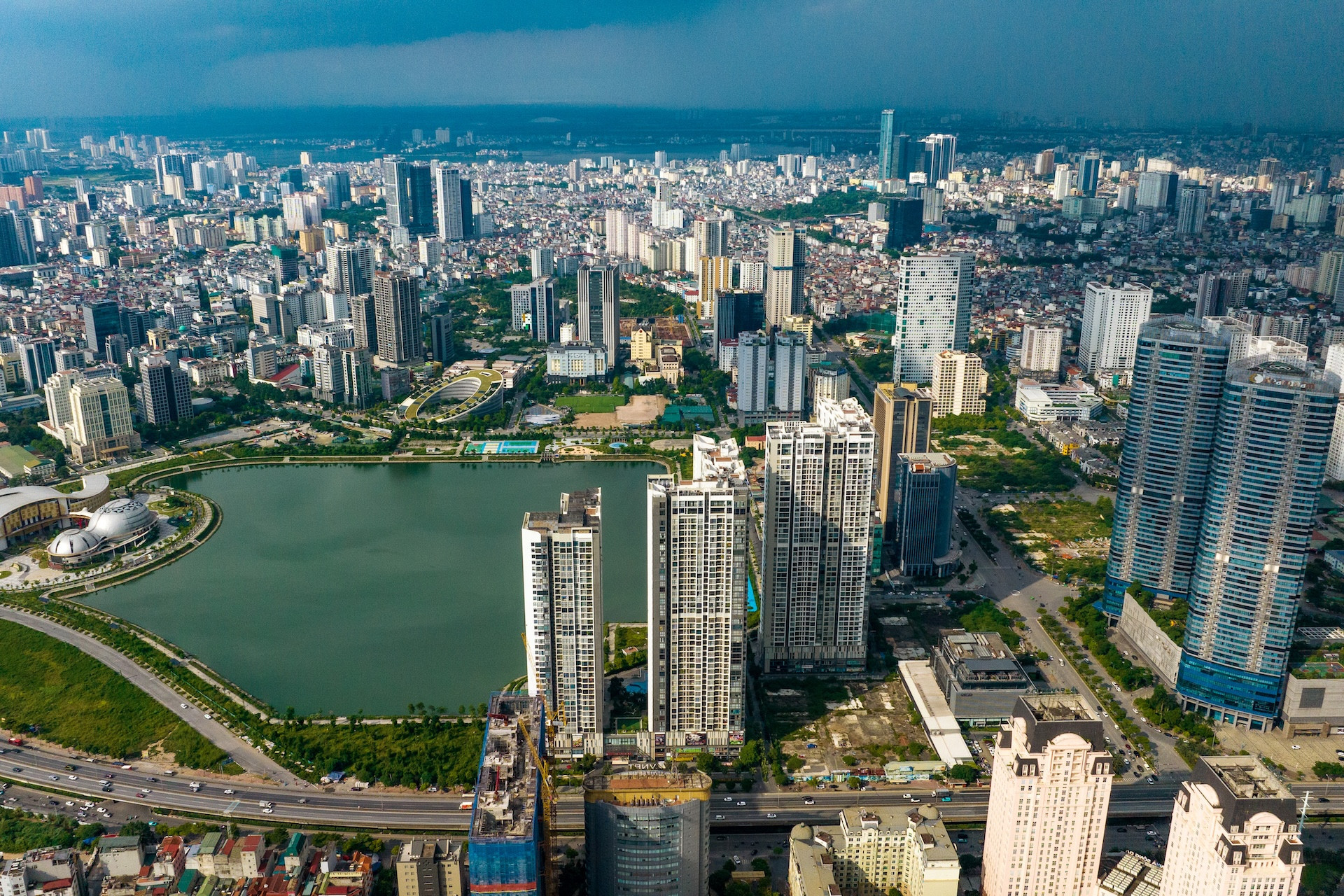
According to the Ministry of Construction (MOC), the number of licensed commercial housing projects since 2019 has dropped by more than 60 percent, while social housing projects have nearly frozen.
In Hanoi and HCMC, primary housing supply is now only one-third of the 2016–2018 period, while real demand continues to grow with urbanization and the rise of first-time homebuyers.
In 2020, the country approved 743 projects, but by 2021, this fell to 252, just 34 percent of the previous year. The decline continued: 126 projects in 2022, 67 in 2023, 79 in 2024, and only 58 in the first half of 2025.
Compared to the 2020 peak, approvals have plummeted over 12 times, reflecting prolonged stagnation in the commercial (non-social housing) market.
In Hanoi, commercial housing project approvals have been minimal over the past four to five years, as authorities focused on reviewing and revoking delayed projects.
According to the Hanoi People’s Council report, in the two years to June 2024, the city addressed 705 of 712 delayed projects (99 percent), covering 11,345 hectares.
Nationwide, as of July 2025, the government reported 2,887 stalled projects, with a total investment of $235 billion and a land area of 347,000 ha, a vast amount of idle resources.
Procedural bottlenecks
Numerous factors contribute to the current situation, with procedural bottlenecks being prominent.
A real estate developer noted that the full legal process for a commercial housing project involves going through nine government agencies, obtaining more than 30 stamps, taking up to 3,000 days.
Every month of delay means dead capital; and every year adds tens of billions of VND in loan interest, which gets passed on to homebuyers.
“There are projects that take 20 years to complete, with five years just for licensing,” he told VietNamNet.
That statement from a developer was included in a National Assembly oversight report two years ago, and it is the direct answer to the question: “Why are housing prices in Vietnam always rising?”
In many provinces, projects may take 10-20 years to roll out. The site clearance, land-use planning, and zoning alone may last many years. In some cases, investment and construction licensing may take up to five years, environmental impact assessment up to three years.
In particular, the land price appraisal for calculating land-use fees often leaves developers “waiting endlessly,” while bank interest keeps growing.
Nguyen Xuan Binh, Deputy CEO of Cienco 5 Land, said at an event last week that “prolonged administrative procedures are the main reason for high housing prices. Every year of delay adds more financial costs, which are ultimately paid by buyers.”
According to the HCMC Real Estate Association, up to 70 percent of the market’s difficulties stem from legal issues. The Vietnam Chamber of Commerce and Industry (VCCI) also pointed out that real estate regulations are found in 15 different laws, as well as tens of decrees, hundreds of circulars, and thousands of sub-law documents.
While the Investment Law stipulates that projects delayed by 12 months must be revoked, the Land Law allows for a 24-month extension. The inconsistency leaves local authorities in limbo: revoking risks violating the Land Law, while extending contradicts the Investment Law. So, projects are suspended.
PCI (provincial competitiveness index) surveys found that the percentage of businesses that have to delay or cancel business plans due to land-use procedures remains high: 74 percent in 2024 and 73 percent in 2023.
Behind those numbers are thousands of missed investment opportunities, tens of thousands of jobs not created, and housing prices pushed up by rising costs.
Real estate developers are the ones who build homes, but the one who “allows” them to build is the state. Nguyen Xuan Binh said: “Developers are just secondary players; the primary player that determines housing prices is the state.”
These bottlenecks stem from overlapping laws - Land, Investment, Housing, Planning - combined with multi-year processes and a fear of mistakes among officials after a wave of inspections. As a result, even a single permit becomes a risky ordeal.
Of the 250 projects launched to celebrate the 80th anniversary of Vietnam’s National Day, only 22 were social housing projects, a very small number.
Housing supply is scarce not because no one wants to build, but because no one can build.
Hong Khanh
.svg)
