 Vietnamnet.vn

 Podcast



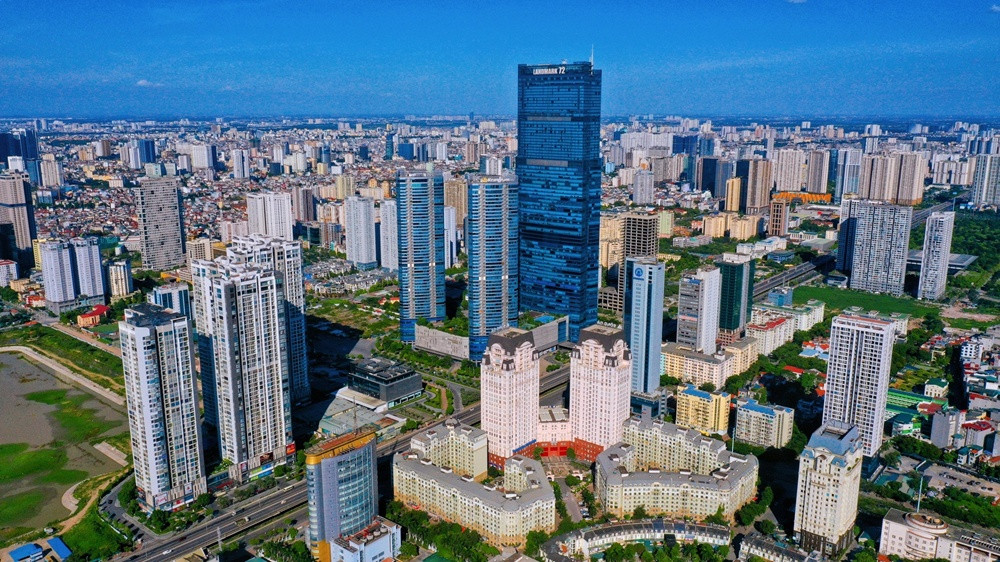
Vietnam is no longer just a tourist hotspot - it’s quickly becoming a luxurious new destination for global billionaires seeking high-end living and investment opportunities.
In March 2024, tech billionaire Bill Gates visited Da Nang on a private jet for a five-day personal getaway. During his stay, he relaxed at a seaside resort and immersed himself in Vietnamese culture.
Gates first came to Vietnam in 2006 to explore business opportunities in the tech sector. That historic visit drew widespread media attention and excited the local business community. His recent return reaffirms Vietnam's magnetic appeal for influential global figures.
The super-rich are no longer simply touring Vietnam - they’re investing and acquiring luxury vacation properties. According to The Super Prime, Vietnam is rapidly emerging as a hub for affluent lifestyles. High-end real estate developments such as The Grand Hanoi and Vinhomes Ocean Park are attracting interest from European and American investors.
What truly makes Vietnam a “magnet” for the elite goes far beyond scenic landscapes. Its dynamic economy, impressive growth, and rising status in global supply chains are driving interest.
A recent Knight Frank report focusing on Asia-Pacific (APAC) listed Vietnam among countries offering the best quality of life for global high-net-worth individuals.
Vietnam’s rise as a luxury lifestyle hub
“Vietnam is ticking many boxes for ultra-wealthy individuals, from its strategic Southeast Asia location and fast-growing economy to improving living conditions and natural beauty,” said Matthew Powell, Managing Director of Savills Hanoi. He also highlighted Vietnam’s rich culture, diverse cuisine, and vast real estate investment potential.
Coastal cities like Da Nang and Hoi An are booming with upscale resort properties, international-standard golf courses, and temperate climates that boost the overall quality of life.
Meanwhile, key economic centers such as Hanoi and Ho Chi Minh City are seeing a surge in premium real estate development. These cities are delivering internationally certified projects, upgraded transportation infrastructure, and strong connectivity with regional financial hubs.
Savills reported that the branded luxury real estate segment in Vietnam has surged by 210%, underscoring the country's growing role as a prime destination for the ultra-rich and international investors.
Keeping the elite invested
To appeal to wealthy investors, Vietnam is rapidly upgrading its infrastructure and premium services. The soon-to-launch Long Thanh International Airport, extensive highway networks, and luxury marinas in Vung Tau, Da Nang, and Phu Quoc are all strong indicators.
International golf clubs, world-class hospitals, and elite schools such as BIS, ISHCMC, and Renaissance are now standard expectations in major urban areas.
The elite are no longer just purchasing homes - they’re investing in a lifestyle, a like-minded community, and exclusive experiences.
“In a world of geopolitical and economic shifts, global asset flows are adjusting,” said Paul Tostevin, Director of Global Research at Savills. “High-net-worth individuals and businesses are re-evaluating where to live and operate.”
While traditional factors such as government policy, tax incentives, and a creative workforce still play a key role, local identity and high living standards are becoming central to destination choices.
Despite its enormous potential, Vietnam faces challenges in becoming a true haven for the super-rich. Powell noted that significant reforms are needed for Vietnam to compete with regional rivals in attracting elite investors.
One essential move is introducing flexible visa and residency programs for high-net-worth individuals. Competing countries like Thailand and Malaysia already offer long-term visas with tax benefits, property ownership rights, and relaxed labor policies.
Equally critical is building an international-standard living ecosystem spanning healthcare, education, and services. “When elite individuals feel the convenience and professionalism in every experience, they don’t just return - they become ambassadors for the country,” Powell emphasized.
Duy Anh
.svg)
