 Vietnamnet.vn

 Podcast



This success reflects strategic vision, methodical policies, and concerted efforts by entire society.

1993–2000: Laying the foundation for national poverty reduction programmes
After the national reunification on April 30, 1975, Vietnam faced an underdeveloped agricultural economy, with more than 70% of households living in poverty. A historic turning point came with the 1986 Doi moi policy, which shifted the country from a centrally planned economy to a socialist-oriented market economy, opening the path out of poverty for millions.
In 1993, Vietnam introduced its first national poverty line based on income, laying the groundwork for future poverty elimination policies. That same year, the Government launched the national programme on hunger eradication and poverty reduction, focusing on production support, infrastructure development, and concessional credit for the poor.

A landmark initiative came in 1998 with the Prime Minister’s Decision No. 135/QD-TTg, approving the programme on socio-economic development in mountainous and remote communes with special difficulties.
The programme invested in essential infrastructure, improved production conditions, and enhanced community’s and local officials’ capacity. Thousands of kilometres of rural roads, hundreds of schools, health stations, and community bridges were constructed, creating a breakthrough in rural infrastructure.


In the photo: Tuyen Quang province invests in essential infrastructure for ethnic minority areas. (Photo: VNA)
According to the World Bank, Vietnam’s poverty rate fell from 58% in 1993 to around 37% in 1998, making it one of the fastest poverty reduction success stories in the world at the time.
2001–2010: Early achievement of the Millennium Development Goal on poverty elimination
Entering the 21st century, Vietnam advanced to a new development phase, pursuing industrialisation and modernisation alongside sustainable development.
Poverty reduction was identified as a top priority, implemented through the national target programme during 2001–2005 and 2006–2010, with a focus on supporting livelihoods, building infrastructure, developing human resources, and expanding basic social services.

A new point during this period was that assistance was expanded to near-poor households and vulnerable groups affected by natural disasters, unemployment, or illness.
A new point during this period was that assistance was expanded to near-poor households and vulnerable groups affected by natural disasters, unemployment, or illness. Breakthrough policies included the Prime Minister’s Decision No. 134/2004/QD-TTg on some land, housing, and clean water support policies for ethnic minority households with difficulties, and Decision No. 167/2008/QD-TTg on housing support for the poor. Also effective was Resolution 30a/2008/NQ-CP, supporting fast and sustainable poverty elimination in 61 poor districts. Concessional loans through the Vietnam Bank for Social Policies also helped millions of households secure production funding and stable livelihoods.
Thanks to the Party and State’s strong directions and engagement by entire society, the household poverty rate again dropped sharply from 37.4% in 1998 to 9.45% in 2010 (according to the then standards). Notably, in 2008, Vietnam achieved the UN Millennium Development Goal on poverty reduction seven years ahead of the 2015 deadline. This attainment was hailed internationally as one of the most successful examples in the Asia-Pacific region.
Progress was also made in education, health care, gender equality, and social security, with essential infrastructure investments (power grid, roads, schools, and health stations) in remote, mountainous, and disadvantaged areas laying the foundation for later socio-economic development.


Vietnam has also made significant progress in people’s access to education, health care, gender equality, and social welfare. (Illustrative photo: VNA)
2011–2020: Working towards multi-dimensional and sustainable poverty alleviation

Vietnam entered a new decade with a higher aim: not only reducing poverty but also ensuring quality and sustainability. The Government launched the sustainable development strategy of Vietnam for 2011–2020 and the national target programme for sustainable poverty reduction for 2011–2015 and later 2016–2020. These initiatives aimed both to lower poverty rates and narrow development gaps among regions.
Notable measures included concessional credit for poor, near-poor, and ethnic minority households, housing support for revolution contributors and low-income earners in rural areas, the new-style rural area development programme, and Resolution 80/NQ-CP (issued in 2011) on sustainable poverty reduction directions for 2011–2020, emphasising a human rights- and comprehensive development-based approach.
In 2016, Vietnam was among the first countries globally to adopt a multidimensional poverty standard, defining poverty not only by income but also by access to health care, education, clean water, information, and social insurance. The move marked a great stride in the modern social policy approach.


Many localities once considered “poverty hotspots” have achieved remarkable progress in infrastructure and living standards. In the photo: Sustainable poverty reduction programmes and policies have received strong attention and investment from the Party organisation, authorities, and people of former Muong Ang district, Dien Bien province. (Photo: VNA)
As a result, between 2011 and 2020, the household poverty rate nationwide fell by 1–1.5% per year, standing at around 2.75% in 2020 under the multidimensional poverty standard. Average incomes of poor households increased by more than 1.6 times compared to 2015. Previously impoverished provinces, including Ha Giang, Dien Bien, Quang Binh, and Kon Tum, made significant progress in infrastructure and living standards.
Notably, the UN and World Bank recognised Vietnam as one of the few countries maintaining sustainable poverty elimination amid global economic crises, pandemics, and climate change, demonstrating the effectiveness of a people-centred approach with active facilitation by the State and societal participation.
2021–Present: Inclusive and sustainable multidimensional poverty reduction

The 13th National Party Congress emphasised continuing multidimensional, inclusive, and sustainable poverty reduction, aiming for an annual 1–1.5% reduction in multidimensional poverty. In 2021, the Party Central Committee’s Secretariat issued Directive No. 05-CT/TW to strengthen the Party’s leadership over sustainable poverty reduction through 2030.
The national target programme on socio-economic development in ethnic minority and mountainous areas for the 2021–2030 period was approved by the National Assembly, alongside two other national target programmes on sustainable poverty reduction and new-style rural area development. (Photo: VNA)
During the 2021–2025 period, in addition to the continued implementation of the two national target programmes on sustainable poverty reduction and new-style rural area development, the National Assembly approved the national target programme on socio-economic development in ethnic minority and mountainous areas for 2021–2030.
The Politburo issued six resolutions outlining socio-economic development directions, as well as national defence and security objectives for six regions across the country through to 2030, with a vision towards 2045. Each resolution sets specific targets for sustainable poverty reduction in its respective region.

The Government has also rolled out a range of key policies, including the preferential credit scheme for poor and near-poor households, livelihood support for ethnic minority and mountainous areas, and the “One million social housing units” programme, alongside other national initiatives on social welfare and rural development.

Thanks to those moves, encouraging results have been recorded.
By the end of 2024, multidimensional poverty, including poor and near-poor households, fell to around 4.06% nationwide.
Disadvantaged districts saw an average annual poverty decline of over 6%, exceeding the target of 4–5%. Millions of households have gained access to concessional loans, health care, education, housing, clean water, and information. These evidence the effectiveness of the policies implemented over the past years.
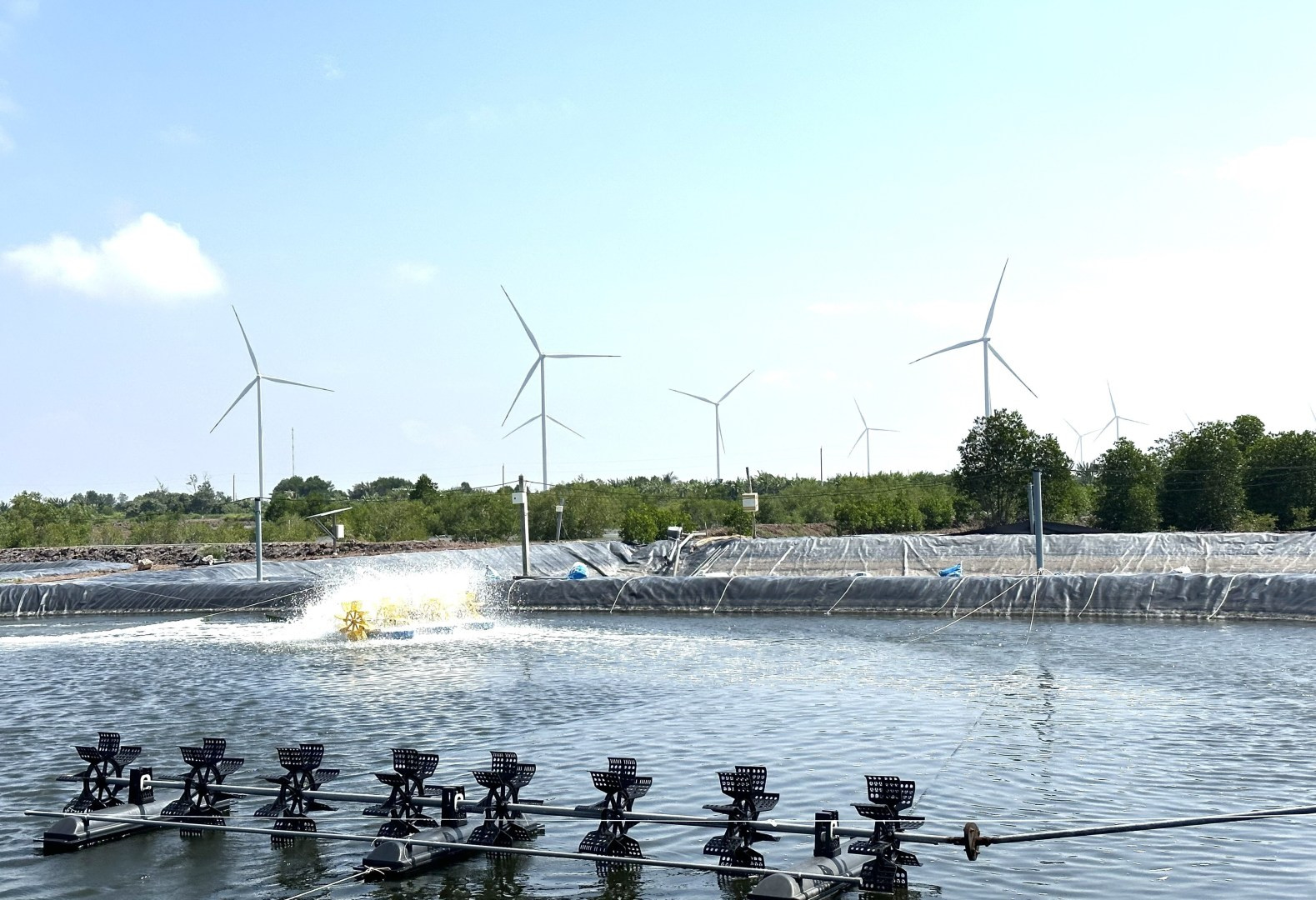
Beyond material support, current poverty reduction efforts also focus on human development and enhancing low-income earners’ self-reliance. Livelihood models adapted to climate change in the Mekong Delta, crop and livestock diversification in the Central Highlands, and community-based tourism in northern mountainous provinces have created jobs, increased incomes, and contributed to sustainable poverty reduction.


Over the past four decades, Vietnam has achieved humane and effective poverty elimination, combining sound policies, political will, and community strength. From a nation struggling with hunger, it has become a global model for poverty reduction.
Yet the journey continues. In the new context, poverty encompasses not only a lack of material resources but also limited opportunities and access to knowledge. Vietnam will continue to innovate and act boldly, thereby ensuring no one is left behind on the path of development./.VNA
.svg)
