 Vietnamnet.vn

 Podcast



With its unique artifacts and intricately designed, modern displays, the Sound Museum of Dak Nong Geopark offers visitors an immersive experience of the mysterious echoes of the Central Highlands.
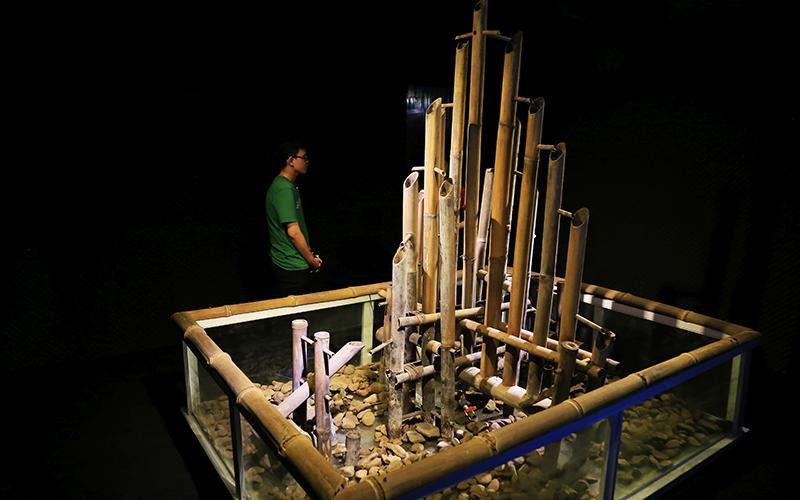
This museum is heritage site No. 32 out of the 44 heritage points of the Dak Nong Geopark, which is currently undergoing formal evaluation by UNESCO for global geopark recognition.
Located in the main lobby of Dak Nong Provincial Cultural Center, the Sound Museum spans 200 square meters and features eight rooms dedicated to seven distinct sound themes: the sound of stone, wind, water, wood, fire, light, and humanity.
The museum’s first exhibit is the “Sound of Stone” room, which features a five-piece lithophone discovered in the Dak Ka stream in Dak R’lap District. Estimated to be 2,500 to 3,000 years old, this ancient stone instrument is considered the emblem of Dak Nong Geopark.
The magic begins when a visitor gently glides their hands across the stone bars or taps them directly. As if awakened from slumber, the ancient stones emit resonant musical tones, their pitch and depth changing with the pressure and movement of each touch.
Next is the “Sound of Wind” room, where a unique stringless harp - created by a Russian artist - uses the motion of air to produce sound.
This artwork produces haunting melodies known as the “voice of the wind” with only a subtle hand movement, illustrating the ethereal nature of wind-borne music.
Other themed rooms include the “Sound of Water,” “Sound of Wood,” “Sound of Fire,” “Sound of Light,” and finally, “The Sound of Us.” In each, visitors can use their “magic hands” to activate sound displays that echo the raw, vital energy of the highlands.
These rooms also feature traditional instruments of the region’s ethnic minority groups, allowing visitors to hear the living voices of Dak Nong’s cultural heritage.
With a design focused on bridging the past and present, and on fostering human connection with nature, the Sound Museum invites visitors on an extraordinary sensory journey.
Here, one comes to understand a simple yet profound philosophy: Humans are inseparable from the natural world, and within each person lies an innate connection to nature.
PV
.svg)
