 Vietnamnet.vn

 Podcast



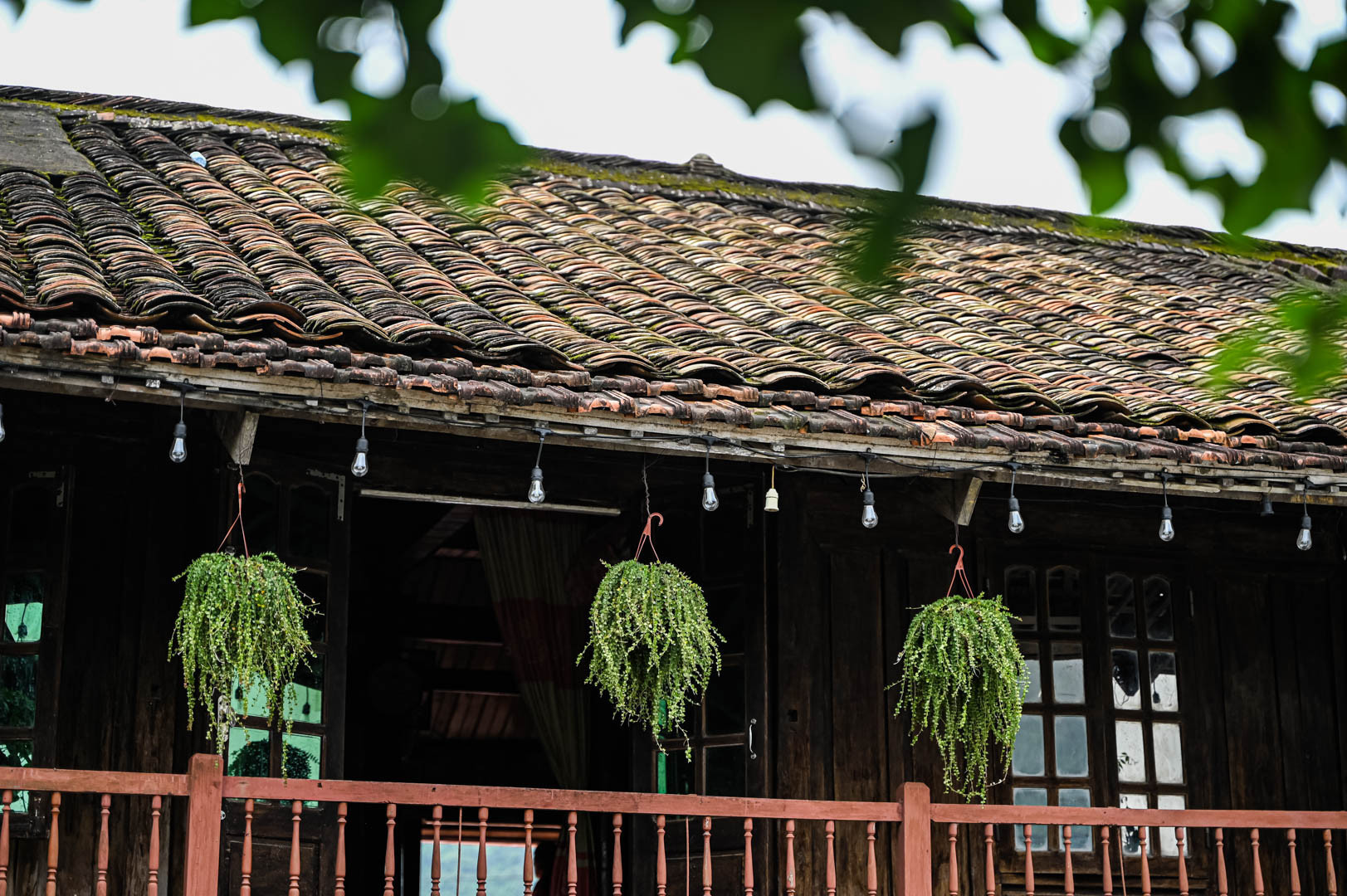
At age 76, Duong Cong Chai, owner of the Duong Cong Chai homestay in Quynh Son village, Bac Son commune (Lang Son province), remains energetic and sharp. Every day, he and his wife Doan, 78, personally clean and tend to their more-than-100-sqm stilt house, grow vegetables, garden, cook, and welcome visitors from across the country.
Chai is known as the village’s “know-it-all guide,” always sharing fascinating stories about local history, culture, and architecture.
"He speaks with great enthusiasm and pride, which impressed us. The couple is also very approachable and friendly, making first-time guests feel like they are returning home,” a traveler said.
In October, Quynh Son village was honored as the "Best Tourism Village in the World 2025" by the UN Tourism Organization. Since then, the number of visitors has increased significantly, making Chai's homestay frequently busy and fully booked on weekend nights. Despite the busy work, the owners are very happy and proud.
Previously, Chai and Doan were state employees. In 2010, the provincial Department of Culture, Sports and Tourism assigned the Tourism Promotion Center and Bac Son District’s Department of Culture and Information to research and develop a community-based tourism model in Quynh Son (now Bac Son commune). Chai’s family was one of the first five households to host visitors.
“At that time, we had already retired but still felt healthy enough to join local efforts. We decided to repair and renovate our stilt house, which was built in 1930, to create community rooms for guests,” Chai recalled.
“In the beginning, everything was simple and basic. We did not know how to welcome guests properly. Step by step, we joined local training programs and visited other villages to learn from their experience.
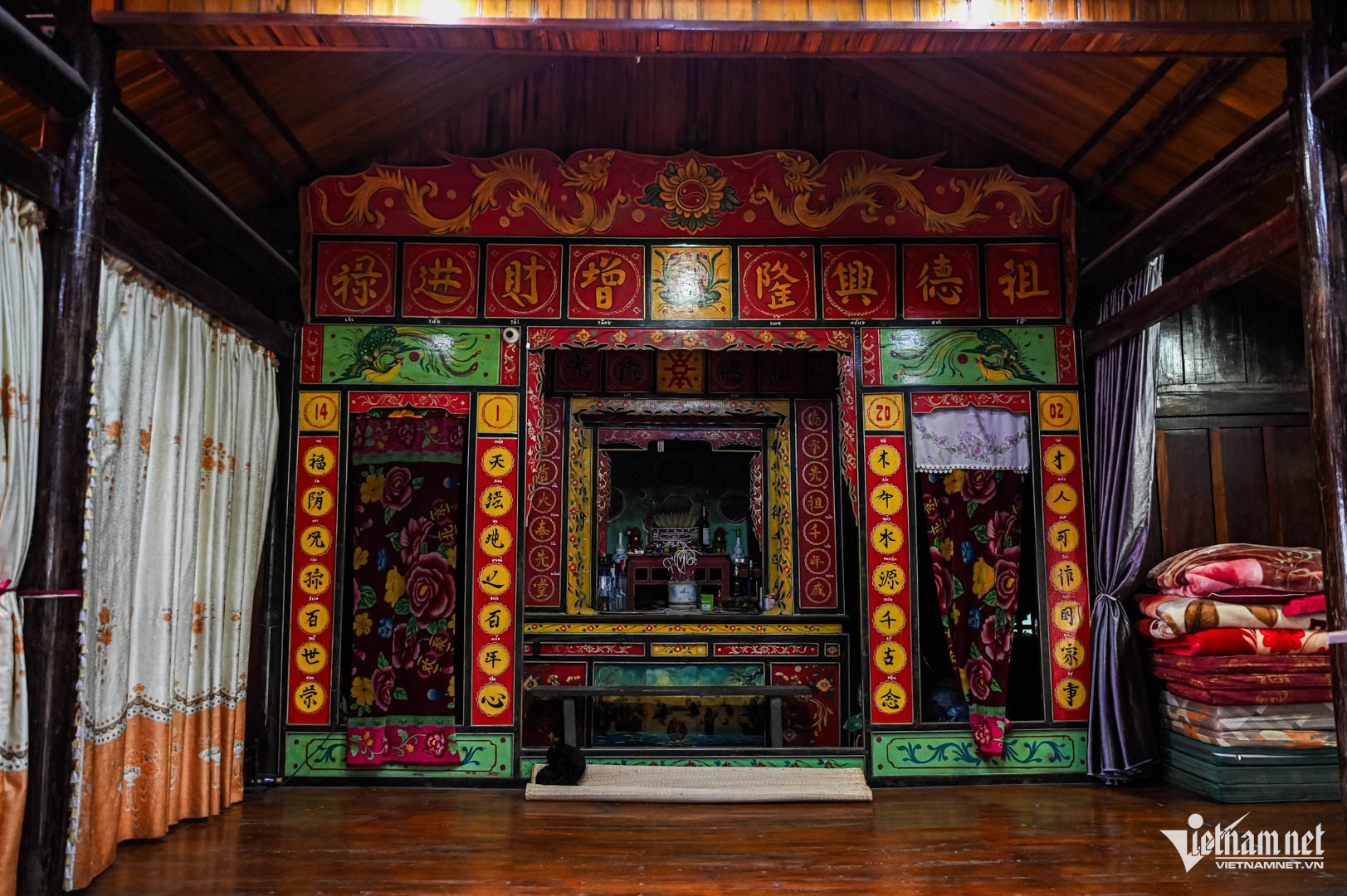
“As more guests came and our finances improved, we invested in upgrades - expanding the kitchen, improving restrooms, and building private rooms. In 2024, we carried out the biggest renovation campaign, costing VND400 million,” Chai said.
Today, the homestay is a traditional Tay two-section, three-wing stilt house made of ironwood with yin-yang roof tiles. The space is airy and spacious, with a large garden and a balcony overlooking the golden Bac Son rice fields and the rolling limestone mountains - a peaceful, poetic scene.
The homestay can host up to 40 guests per night. Community rooms cost 100,000 dong per person, while private rooms range from VND500,000 to VND800,000.
The couple personally cook for guests, offering specialties like roasted pork, black banh chung, sausage, and stream fish.
Chai is especially skilled at making mountain-ginger sausage. Guests usually call to place orders a few days in advance, and he carefully prepares everything so the sausage is fresh and flavorful upon their arrival. Many visitors even buy large bags to take home as gifts.
At the homestay, visitors can fully experience Tay family life. In the evening, they can join campfires and cultural exchanges with Then singing, Vi singing, or Tinh lute performances.
“Since opening the homestay, we feel happier and much healthier. On average, we earn around 10 million dong per month, which is a clear improvement from farming. We’ve also learned from our children and the cooperative members how to use smartphones and technology to stay connected with guests,” Chai shared.
Quynh Son village now has nine homestays. According to Chai, every household treasures their stilt houses, language, clothing, and culture as priceless assets. Everyone involved in tourism becomes a “cultural ambassador,” telling the story of their village through the essence of Tay identity.
Lang Son is considered to have many advantages for tourism development. Located in a strategic position with a long border adjacent to China, along with a convenient road and railway system that connects to provinces and cities nationwide and internationally, it serves as an important gateway linking China with ASEAN countries.
Lang Son also owns more than 330 historical and scenic sites, together with the unique cultural identity of its seven main ethnic groups (Nung, Tay, Kinh, Dao, Hoa, San Chay, Mong), creating diverse potential for tourism development.
The province’s natural tourism resources are diverse and abundant, featuring scenic landscapes, caves, rivers, lakes, unique ecosystems, and a mild climate. It also has many distinctive tourism assets such as the Nhi Tam Thanh scenic relic complex, To Thi mountain - Mac citadel, the landscapes and climate of Mau Son mountain, and community-based ecotourism areas in Huu Lien and Yen Thinh.
Linh Trang
.svg)
