 Vietnamnet.vn

 Podcast



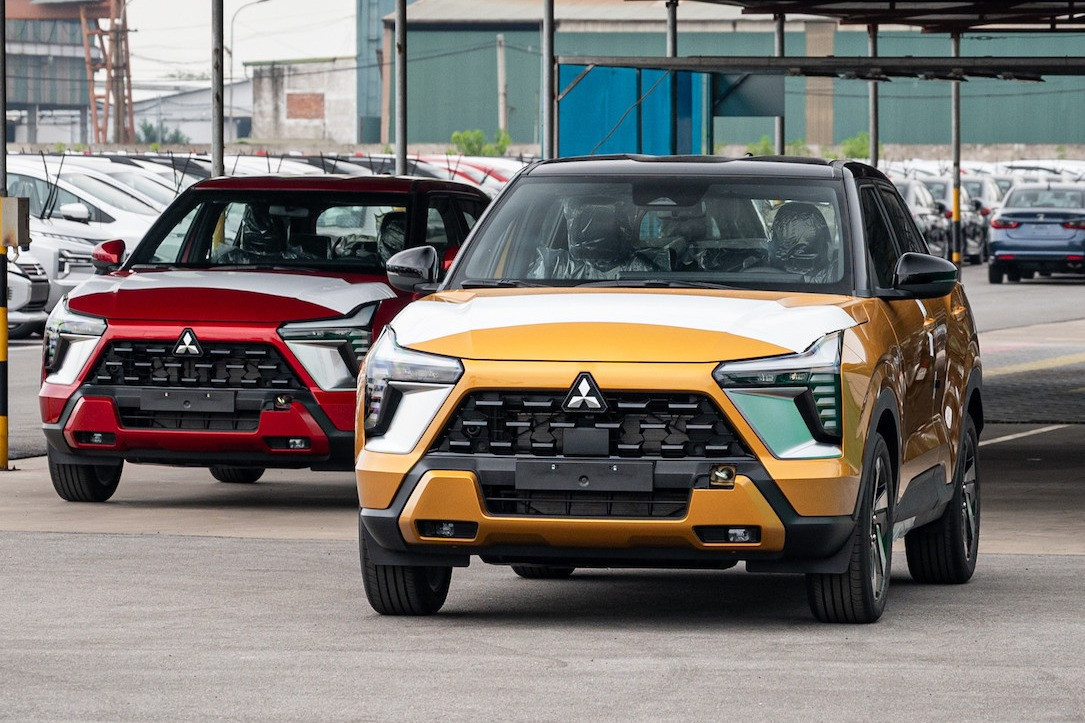
Automotive manufacturers in Vietnam and abroad are sounding the alarm over proposed fuel consumption regulations that could take effect in 2030. Under a draft regulation for Corporate Average Fuel Consumption (CAFC), all new vehicles sold in Vietnam would be required to achieve an average fuel consumption rate of just 4.83 liters per 100 kilometers (approximately 49 mpg). Industry insiders argue that the target is overly ambitious and could significantly disrupt Vietnam’s auto market and industry.
The new standards apply to domestically produced, assembled, and imported vehicles starting in 2030. This has raised serious concerns among carmakers that still rely heavily on internal combustion engines.
According to a study by the Vietnam Automobile Manufacturers Association (VAMA), if the proposed limit is enforced, 96% of traditional gasoline vehicles and 14% of current hybrid models in Vietnam would fail to meet the requirement and would have to be withdrawn from sale. This could force an unprecedented increase of 868% in the production of electrified vehicles (hybrid, plug-in hybrid, and fully electric) within just five years- something VAMA argues is beyond the capabilities of the current auto industry.
The association warns that such a rapid transition would not only burden manufacturers but also negatively impact consumers, citing the country's limited charging infrastructure and the public's unfamiliarity with electric vehicles. They argue the abrupt shift could jeopardize jobs, consumer choice, and national tax revenues.
To avoid industry-wide disruption, VAMA has proposed a more gradual, "stair-step" target leading up to 2030. Their roadmap includes a goal of 6.7 liters/100 km in 2027, 6.5 in 2028, 6.6 in 2029, and 6.0 liters/100 km by 2030.
According to VAMA, this alternative path would still align with Vietnam’s E17 policy goals under the country’s updated Nationally Determined Contribution (NDC 2022), which reaffirmed its commitment at COP26 to achieve net-zero carbon emissions by 2050, while lessening the market disruption that the original 4.83 liters/100 km target would cause.
Foreign automakers and international associations have echoed these concerns. Both the American Automotive Policy Council (AAPC) and the Japan Automobile Manufacturers Association (JAMA) have formally submitted feedback requesting more flexibility in the timeline.
The AAPC suggested that Vietnam retain a 6.0 liters/100 km target for 2030 and postpone the 4.83 target to 2035, giving the industry an additional five years to adapt. They also urged Vietnamese authorities to clarify the scope of the regulation, noting that large-capacity passenger vehicles such as diesel pickup trucks and four-wheel-drive models are unlikely to meet the proposed targets.
JAMA supported VAMA’s recommendation of a 6.0 liters/100 km goal and proposed extending the compliance adjustment period from three years to five years. They emphasized that developing new electric or fuel-efficient vehicle models typically requires at least five years of research and development.
Experts agree that the goal of reducing emissions and reaching net-zero by 2050 is appropriate and in line with global trends. However, they stress that a more balanced approach is needed - one that allows manufacturers to adapt while giving consumers time to prepare for the transition.
With the right roadmap, the shift to electric and fuel-efficient vehicles can become an opportunity for growth rather than a burden on the market.
Hoang Hiep
.svg)
