 Vietnamnet.vn

 Podcast



There were early rumors suggesting Apple would debut under-display Face ID technology with the iPhone 18 Pro in 2025. However, new information reveals that the tech giant has delayed the rollout of this advanced screen design.
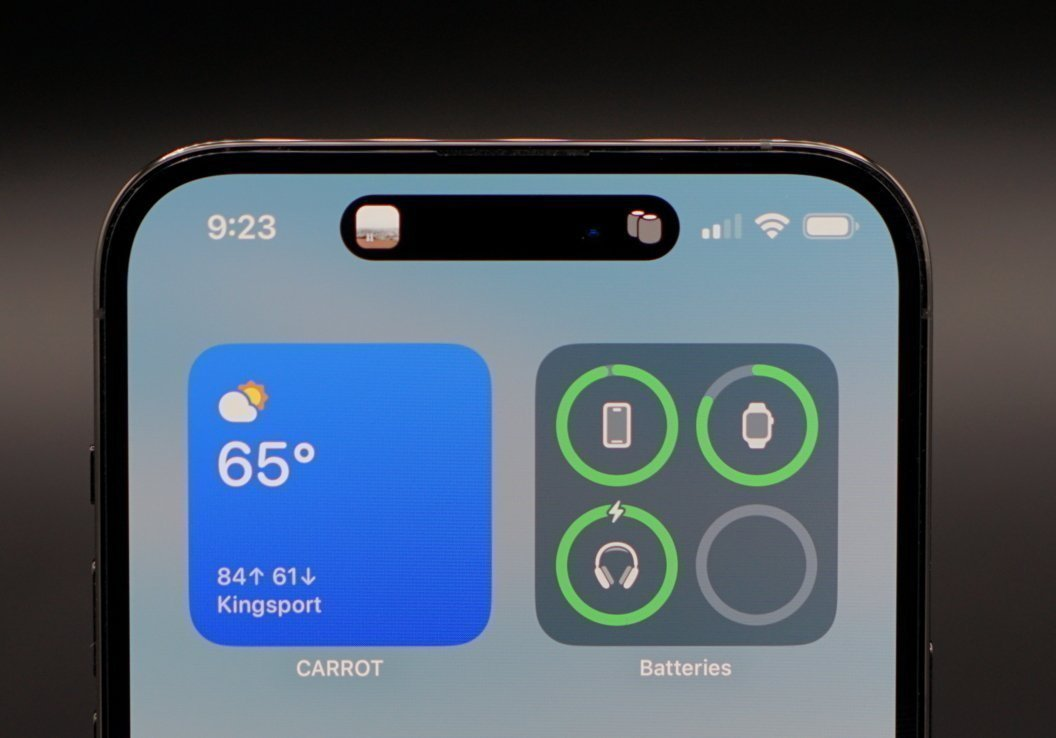
The latest reports on Apple’s display technology indicate that the company now plans to fully remove Dynamic Island from its Pro iPhone lineup starting with the iPhone 20 Pro, which is expected to feature both a selfie camera and Face ID sensors hidden beneath the display.
This would mark a significant leap toward achieving Apple’s vision of a truly edge-to-edge display - free from notches, punch holes, or cutouts.
For years, the tech community has speculated about Apple’s efforts to hide its front-facing cameras beneath the screen. A leak from Digital Chat Station previously suggested that Apple would instead adopt a more conventional hole-punch design similar to many Android flagships.
Yet, the same source has now updated its forecast, stating that Apple is indeed planning to implement under-display camera technology - just not before 2027.
On China’s Weibo platform, the leaker explained that Apple’s plan to bring this feature to "flat-display iPhones" will only begin in 2027, citing the need for additional development time.
Why is Apple slower than Android on this front?
Under-display selfie cameras are not new - several Android manufacturers have already commercialized the technology. However, these implementations have struggled with image quality, often producing blurry, low-detail photos with weak low-light performance.
Apple has long favored refinement over being first. Its slower pace in this domain reflects a commitment to photo quality that matches or exceeds current visible selfie cameras.
According to the same leak, by 2027, not only Apple but also Android makers are expected to release more capable under-display cameras, suggesting that the technology is still maturing across the entire industry.
For now, Apple still requires a visible portion of the screen to house its TrueDepth camera system for Face ID and the selfie camera. Dynamic Island remains Apple’s solution - turning a necessary hardware cutout into a dynamic, interactive software element.
Nonetheless, Apple’s long-term goal is to completely eliminate any screen interruptions, including Dynamic Island, for a seamless front design.
Despite initial rumors that the iPhone 18 Pro would feature under-display Face ID as early as 2025, the most credible information now confirms a delay.
Face ID under screen in 2026, but selfie camera still visible?
Back in May 2025, Ross Young, a well-respected display analyst at Counterpoint Research (formerly Display Supply Chain Consultants), predicted that under-display Face ID would appear in 2026, but the selfie camera would remain visible - perhaps via a small punch hole or a continued use of Dynamic Island.
This phased approach aligns with Apple’s cautious design philosophy, where new technologies are gradually tested before full-scale implementation.
Meanwhile, the accuracy of the 2027 prediction from Digital Chat Station is considered decent but not exceptional. Other sources, such as Instant Digital, have also speculated on under-display cameras, though with mixed credibility.
The shifting timelines make one thing clear: Apple is treading carefully.
Both under-display Face ID and camera represent significant milestones in smartphone design. If successfully implemented, this will mark Apple’s biggest visual redesign since the introduction of the iPhone X in 2017.
Hai Phong
.svg)
