 Vietnamnet.vn

 Podcast



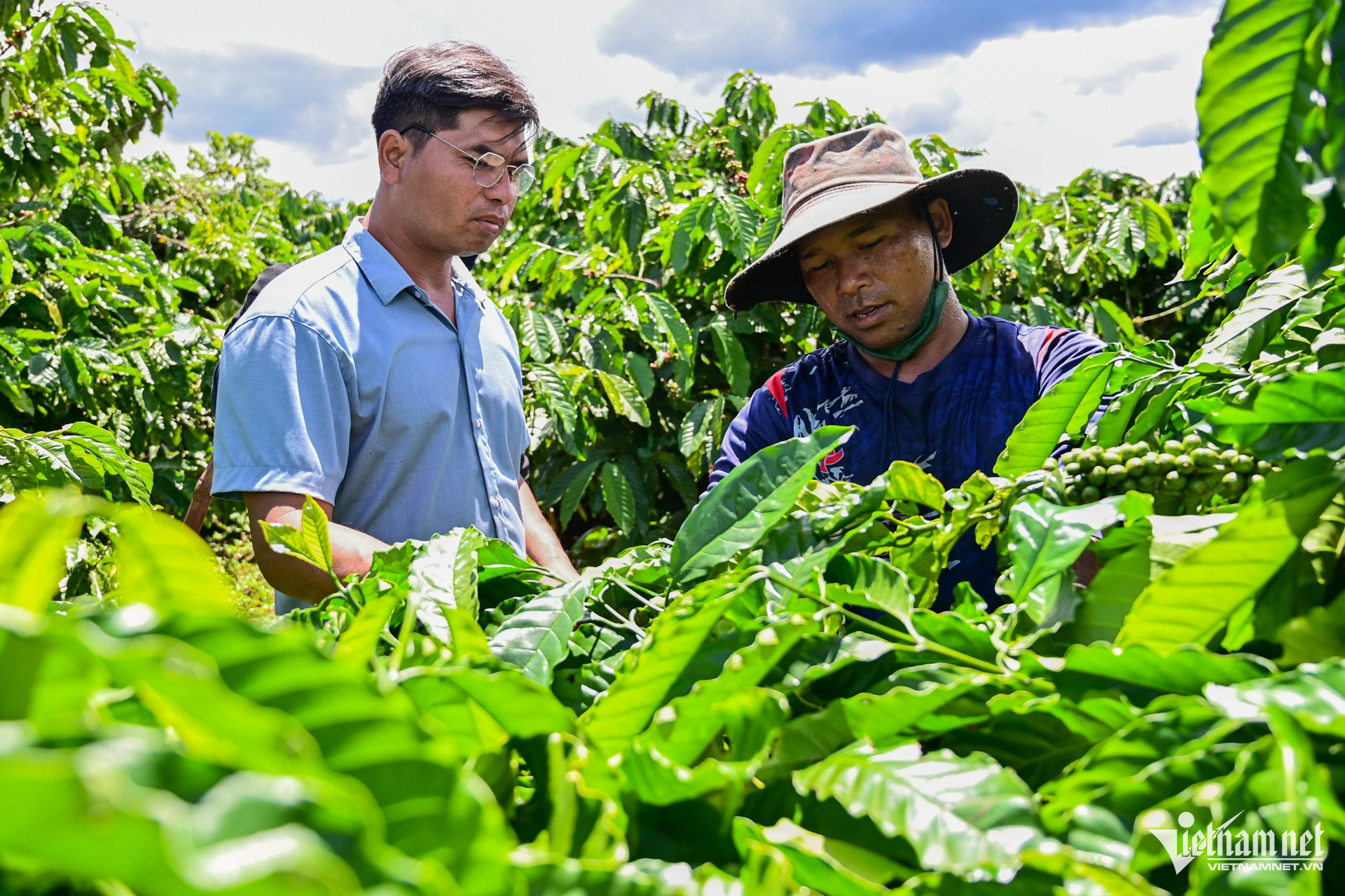
At the consultation conference on the “Low-emission crop production plan 2025-2035” held on July 30, Deputy Minister of Agriculture and Environment Hoang Trung cited greenhouse gas inventory data from 2020 compiled by the Institute of Agricultural Environment. According to the report, agriculture emitted over 116.5 million tons of CO2 equivalent, with crop cultivation accounting for about 80%.
Without comprehensive solutions, traditional farming practices not only harm the environment but also risk locking Vietnamese agricultural exports out of international markets, where carbon reduction, sustainability certification, and traceability standards are becoming increasingly strict, the deputy minister warned.
To build a greener, more competitive, and climate-resilient agriculture sector, the Ministry of Agriculture and Environment has drafted a roadmap for low-emission crop production through 2035.
The plan’s overarching goal is to promote a comprehensive transition toward low-emission cultivation systems, improve farmer income and livelihoods, and contribute to sustainable development. It also aims to enhance the competitiveness of Vietnam’s crop sector, ensure national food security, and gradually establish a resilient, modern, and eco-friendly agriculture industry aligned with the country’s Nationally Determined Contributions (NDC).
By 2035, the plan targets a 30% reduction in methane emissions and at least a 10% overall reduction in agricultural greenhouse gases compared to 2020 levels. These goals will be met by applying region-specific and crop-specific techniques.
The plan also proposes developing a “Low Emission” label for crop products, implementing at least 15 scalable low-emission farming models across ecological regions, and piloting five farming models capable of generating carbon credits that meet international standards.
In addition, at least five standardized low-emission technical packages will be developed for five major crops. A nationwide crop emissions database will be built and integrated with the National Registry System.
Nguyen Thi Thu Huong, Deputy Director General of the Department of Crop Production and Plant Protection, stated that the plan includes two implementation strategies applicable nationwide.
Plan 1 focuses on five crops: rice, cassava, coffee, sugarcane, and banana.
Plan 2 expands the scope to any crops with high carbon credit generation potential, especially staple crops.
Although Vietnam has piloted several low-emission farming models, they remain fragmented and lack consistency. Meanwhile, adopting low-emission production with carbon traceability and environmental certification can open access to high-value markets such as the EU, Japan, and North America. Products from such practices often command prices 10-25% higher than conventional ones.
Effective implementation could reduce 8-11 million tons of CO2 equivalent annually while increasing farmer and business income.
Carbon credits may become a major export
According to a representative from Lam Son Sugar Joint Stock Company, the firm has trialed low-emission sugarcane farming on 500 hectares. Since early 2025, it has partnered with several international organizations. As a result, Lam Son has developed a certified organic low-emission sugarcane cultivation process and is currently seeking international certification to sell carbon credits. Farmers participating in the linked production will benefit from the proceeds.
The company representative emphasized that it takes about one year to pilot a certified low-emission farming model. Therefore, the Ministry’s development of standardized cultivation procedures for each crop would significantly shorten the timeline and simplify emission reduction calculations.
He noted that the potential for selling carbon credits in the crop sector is immense. While domestic carbon trading has become relatively smooth, international transactions remain challenging due to Vietnam’s lack of a formal carbon credit export framework.
A legal framework for carbon credit exports is urgently needed. This could become a lucrative new opportunity for Vietnam’s agriculture sector, especially as countries and corporations worldwide increase carbon credit purchases to meet emission reduction pledges.
At the forum, experts and business leaders suggested that the plan should not limit crops or regions. A standardized MRV (Measurement, Reporting, Verification) system recognized internationally is essential to accurately track emissions reductions and enable global carbon credit trading.
Crucially, farmers must see clear economic benefits. Once they experience cost savings, higher product prices, and new income from carbon credits, they will be motivated to adopt low-emission practices.
Tam An
.svg)
