 Vietnamnet.vn

 Podcast



Rumors around Apple’s 2026 flagship phones are already painting a vivid picture of transformative upgrades. According to sources like PhoneArena and The Information, Apple is expected to adjust its release strategy starting 2026: the iPhone 18 Pro, iPhone 18 Pro Max, and iPhone Fold will debut in September 2026, while the standard iPhone 18 and iPhone 18e may be delayed until spring 2027.
Refined design, familiar form
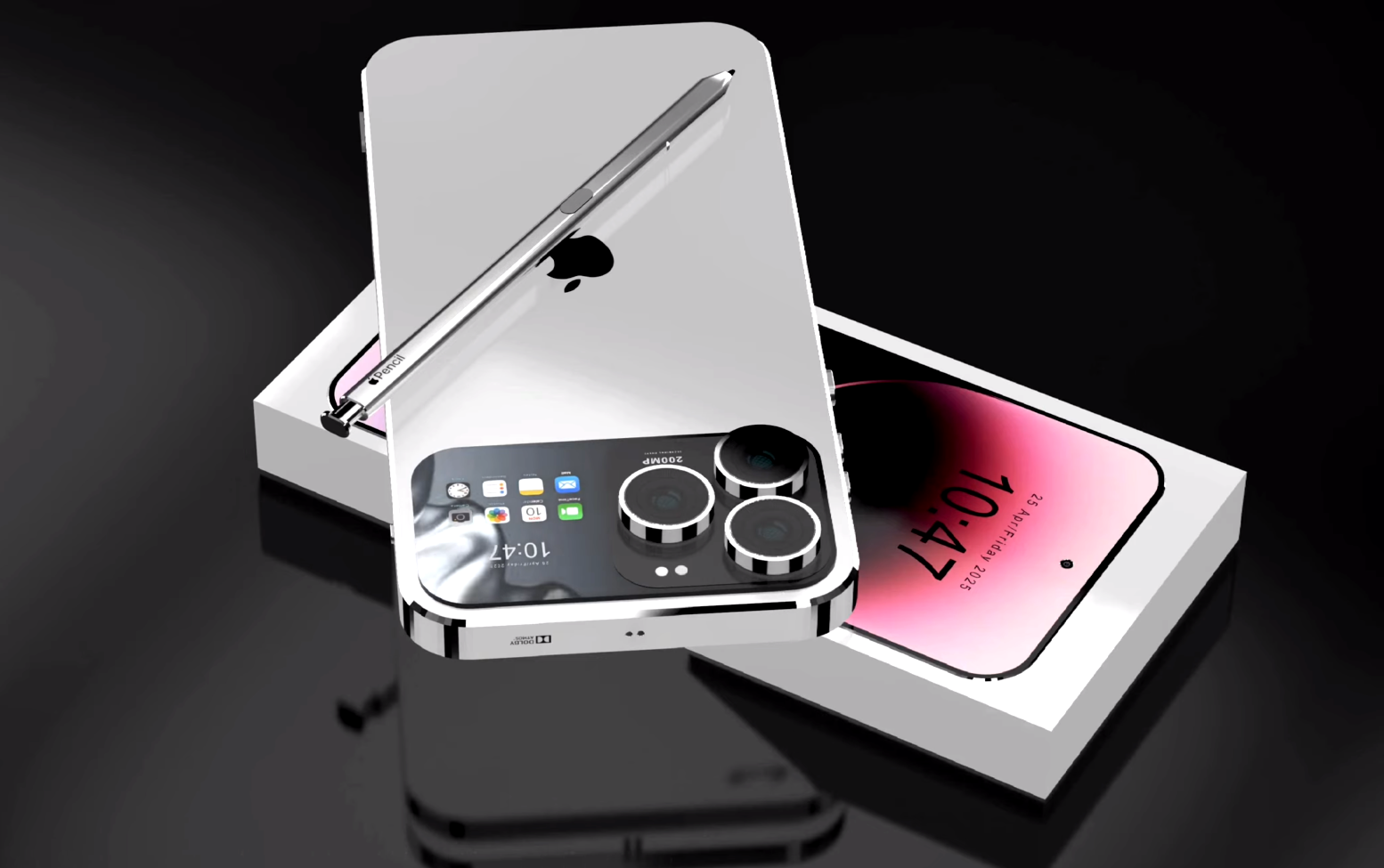
The iPhone 18 Pro lineup is expected to continue the design language introduced with the iPhone 17 Pro, including the distinctive triangular triple-camera array placed on a raised platform.
Display sizes remain at 6.3 inches for the Pro and 6.9 inches for the Pro Max.
However, the rear panel will undergo a significant refinement. Apple is reportedly improving its Ceramic Shield 2 glass and aluminum frame manufacturing process to reduce color mismatches, delivering a sleeker, more seamless look.
Thicker chassis could hint at bigger battery
Reports suggest the iPhone 18 Pro Max will be slightly thicker than its predecessor, weighing in at around 243 grams - potentially making it the heaviest iPhone to date.
While Apple hasn't confirmed this change, it likely serves to accommodate a larger battery to power new, energy-intensive features.
Smaller Dynamic Island, toward an all-screen dream
Apple’s long-rumored goal of hiding the Face ID system beneath the display remains under debate.
Some reports - like that of Wayne Ma from The Information - predict a single small punch-hole camera placed in the top-left corner.
Others, such as Ross Young and Mark Gurman, expect a significantly smaller Dynamic Island instead, as Apple continues shrinking the front-facing camera hardware en route to a truly full-screen iPhone.
A20 Pro chip: The 2nm performance leap
According to Macrumors, the iPhone 18 Pro series will debut Apple’s A20 chip built on TSMC’s 2nm process. This marks a major generational leap, offering a 15% performance increase and a 30% boost in energy efficiency thanks to a denser transistor architecture.
The A20 is expected to feature unified RAM placement directly on the same wafer as the CPU, GPU, and Neural Engine using WMCM (wafer-level chip-on-chip) technology - ideal for AI performance under Apple Intelligence.
Apple’s C2 modem aims to cut Qualcomm dependence
Analyst Jeff Pu reveals that Apple is preparing to use its in-house C2 modem in the iPhone 18 Pro series, following the C1 modem used in the iPhone 16e and C1X in the iPhone Air.
The C2 is expected to deliver faster 5G speeds, lower power consumption, and full mmWave support in the U.S. - features its predecessors lacked.
This marks a key step in Apple’s strategy to reduce reliance on Qualcomm components.
New camera sensors from Samsung
In a surprising move, Apple is rumored to be sourcing part of its iPhone 18 camera sensors from Samsung. The tech giant is reportedly developing a custom three-layer PD-TR-Logic sensor for Apple.
If confirmed, this sensor would offer superior light sensitivity, reduced noise, and improved dynamic range - a major shake-up in Apple’s long-standing dependence on Sony for imaging components.
Variable aperture lens, DSLR-like photo control
Apple may be equipping the 48MP Fusion main camera with a variable aperture lens - a first for iPhone.
This would allow for wider apertures during low-light shots and narrower ones for enhanced depth of field, delivering more natural and precise background blur.
This upgrade would mark a significant leap in mobile photography capabilities.
Satellite 5G internet: Always connected
Apple is reportedly working toward integrating satellite-based 5G connectivity into the iPhone 18 Pro lineup.
The goal: internet access without reliance on ground towers - ideal for remote or emergency situations.
While Apple already partners with Globalstar for emergency satellite services, it remains unclear who will supply the full infrastructure for this expanded capability.
Simplified camera control button
Introduced in the iPhone 17, the Camera Control button combined capacitive touch and force sensors - an expensive design.
Apple is expected to simplify this component in the iPhone 18 by removing the capacitive layer while keeping force sensing intact.
Functionality remains unchanged, but repair costs and production complexity will be reduced.
New colors: Burgundy, brown, and purple
Apple is reportedly testing three bold new color options: Burgundy red, brown, and purple.
The standout here is Burgundy - a first for the Pro line - promising to add a luxurious new visual identity alongside traditional tones.
Hai Phong
.svg)
